





 Sonder Bikes

Tents




The tent: a place to start the day, a safe place to end the day. A home that travels with you however fast, or slow you go.
Tents
Designed for British conditions, tested here, built for weather that changes without warning. From 500g silnylon trekking pole shelters to 6-man geodesic tents built for 4-season use. Inflatable air beams, geodesic frames, organic cotton canvas: each construction method matched to the conditions. 1 to 6 man. All covered by a 3-year Alpine Bond.
The right tent depends on how you travel
The main decisions when buying a tent are how much does it weigh, what season rating is it, and how many people do you need to sleep?. If you're carrying everything on your back, weight drives the choice. The lightest shelters here pitch with trekking poles and come in at 500g. Driving to site, that trade-off doesn't apply. Heading somewhere exposed in winter, season rating matters most: geodesic structures built for snow loading and sustained wind.
Lightweight tents and ultralight tents
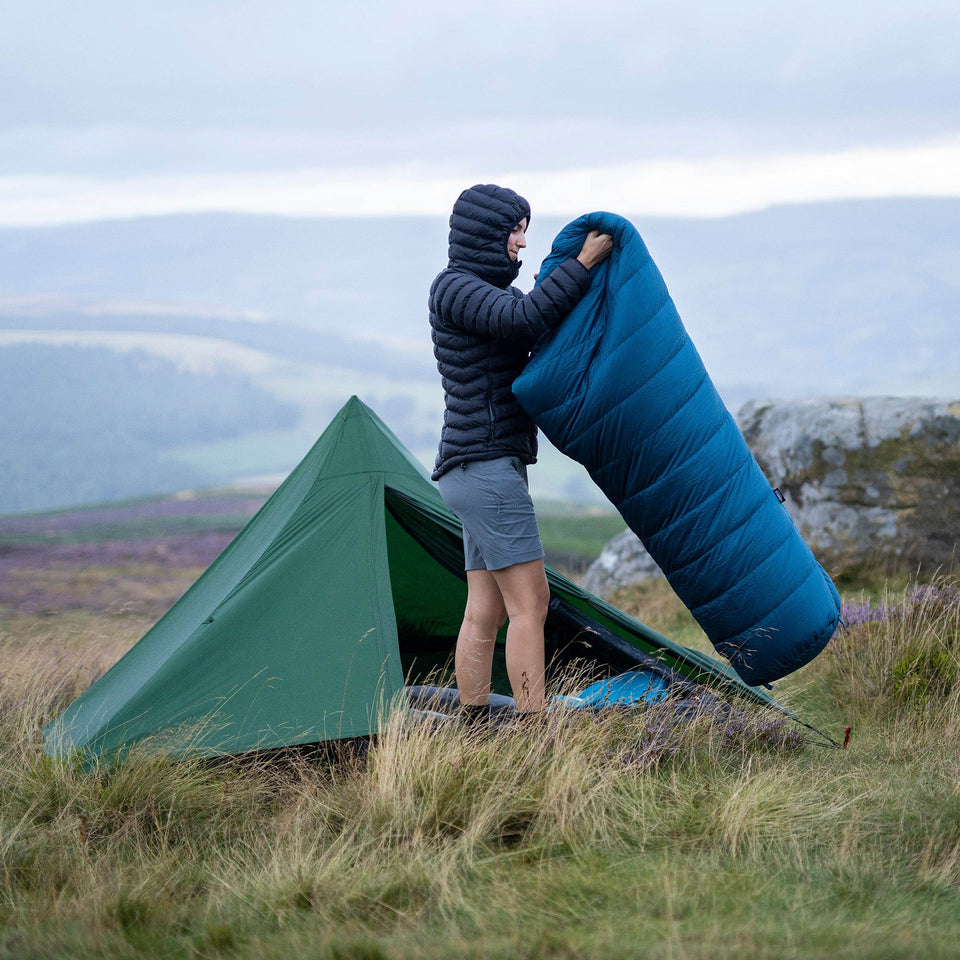
Weight matters more with every kilometre. Our lightest shelters are built for bikepackers, fastpackers, and anyone covering big distances with a loaded pack.
Going ultralight means accepting a smaller interior and using trekking poles to pitch rather than freestanding poles. Our Tarpstar 2 tarp tent comes in at 500g. Lighter than most water bottles.
Backpacking tents
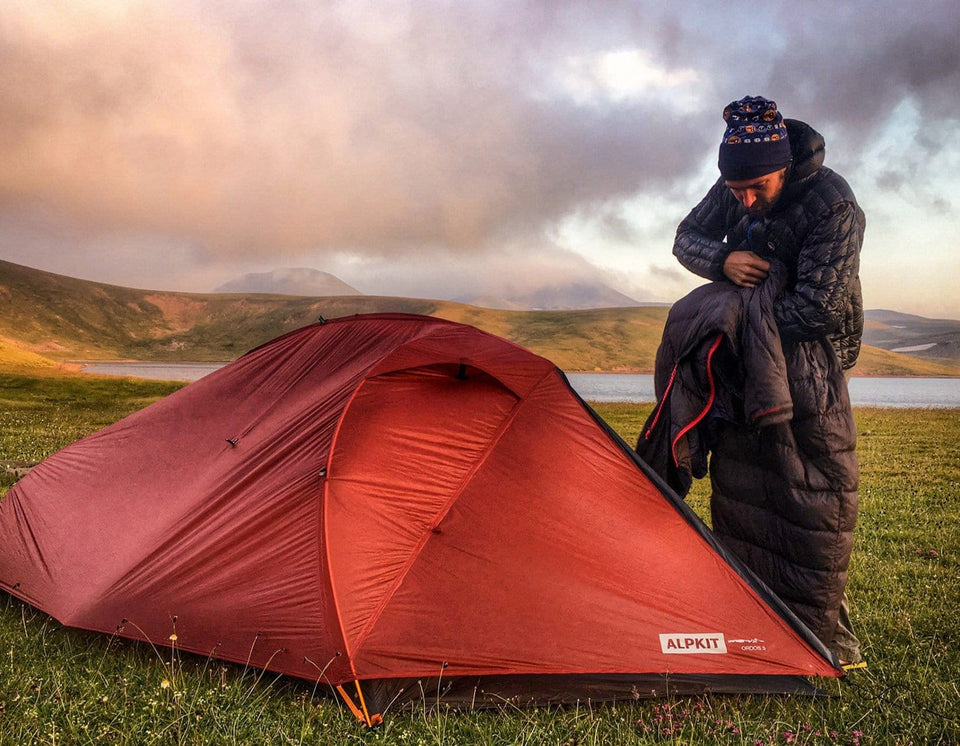
Backpacking tents balance weight with enough space to live in for a few nights. You're carrying everything, so pack size matters. But you're also relying on your tent if the weather changes, so build quality does too.
The Soloist is our 1 man tent, built for solo wild camping and multi-day routes with a fast pitch and a genuinely compact pack size. The Soloist XL gives you the same system with more room to move. The Ordos and Jaran come in 2 and 3 man versions for when you're sharing the load.
Not sure which tent suits your trip? Our guide to choosing a tent covers everything from season ratings to inner volume.
Bikepacking tents
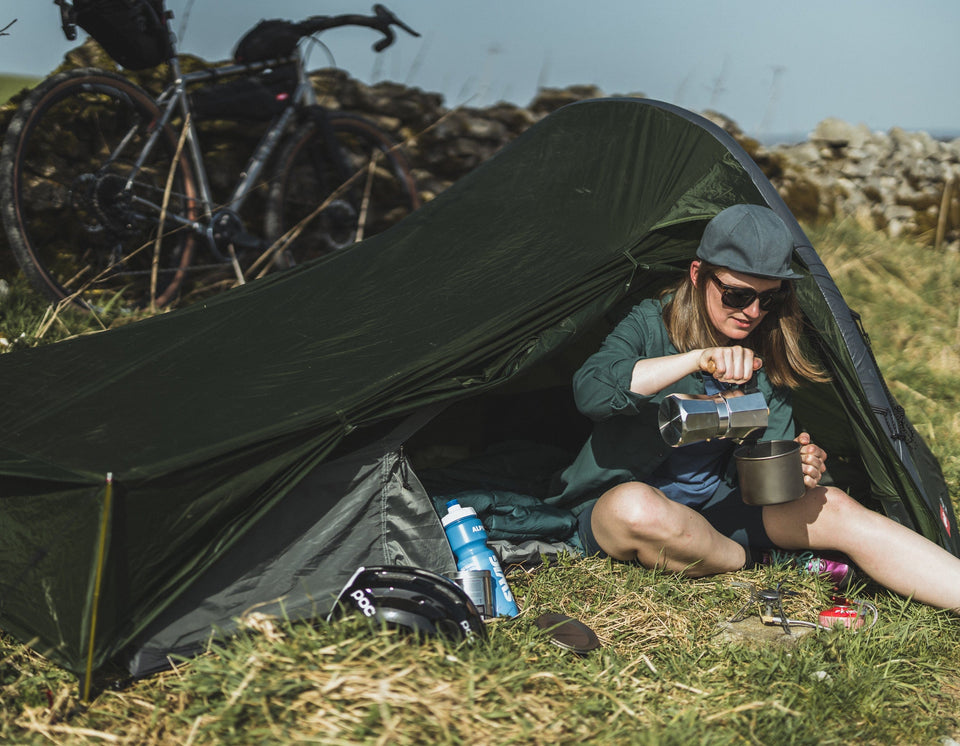
Your shelter is one of the biggest decisions when packing for a bikepacking trip. It needs to fit into a frame bag or handlebar roll, pitch quickly at the end of a long day, and handle whatever the forecast throws at you.
Our Aeronaut inflatable tents use air beam poles that pack down smaller than traditional poles and pitch in under two minutes. The Polestar and Tarpstar pitch with your trekking poles, cutting pack size further. The Elan hooped bivvy is the lightest option if you're travelling fast and the route matters more than the shelter.
Still working out what suits your setup? Our bikepacking tent guide covers the key decisions.
4 season and mountain tents
3-season tents are built for most conditions. 4-season tents are built for extremes.
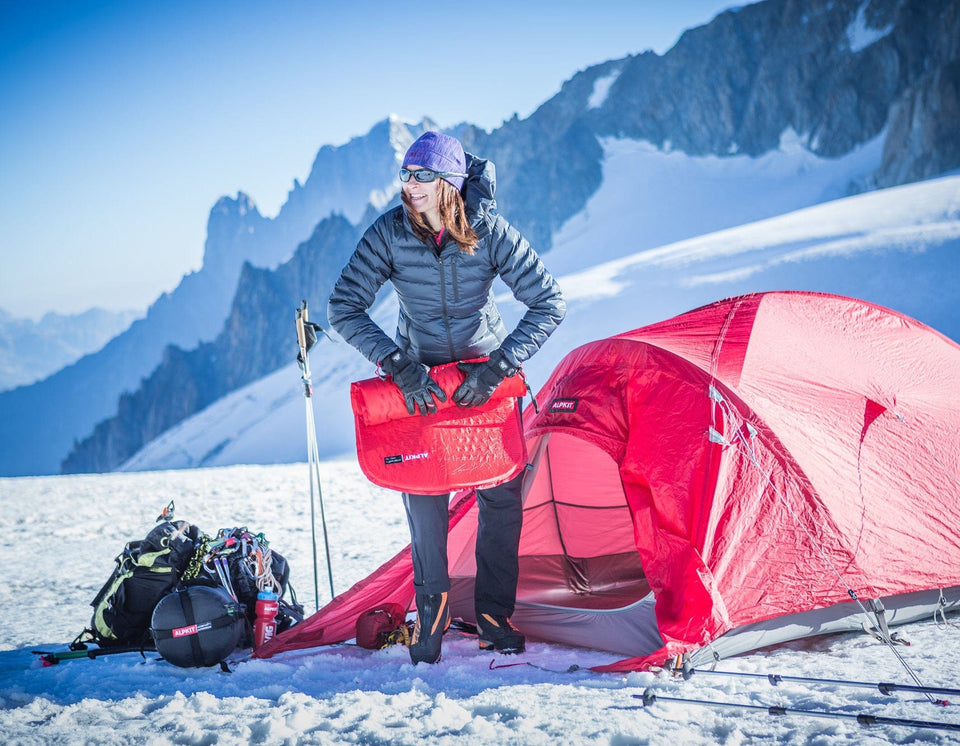
We've been designing mountain tents for over 20 years. The geodesic pole structure gives a rigid, low-profile shape that handles heavy snow loading and sustained high winds. These are the tents for high-altitude expeditions, Scottish winter camps, and multi-day routes above the snowline.
The Kangri sleeps 2 man, the Zhota sleeps 4 man, and the Heksa gives a 6 man shelter with enough headroom to sit out a storm in some comfort. For a closer look at what separates a 4-season tent from the rest, read our 4-season tent guide.
Organic cotton canvas tents
Canvas tents are for a different kind of trip. They're heavier than nylon, so you're driving to site rather than carrying them. If you're staying put for a few nights, the weight isn't a factor.
Cotton canvas regulates temperature and humidity in a way synthetic fabrics can't match. Cooler than nylon in direct sun, warmer than you'd expect in spring and autumn. With the right care, a canvas tent lasts decades rather than seasons.
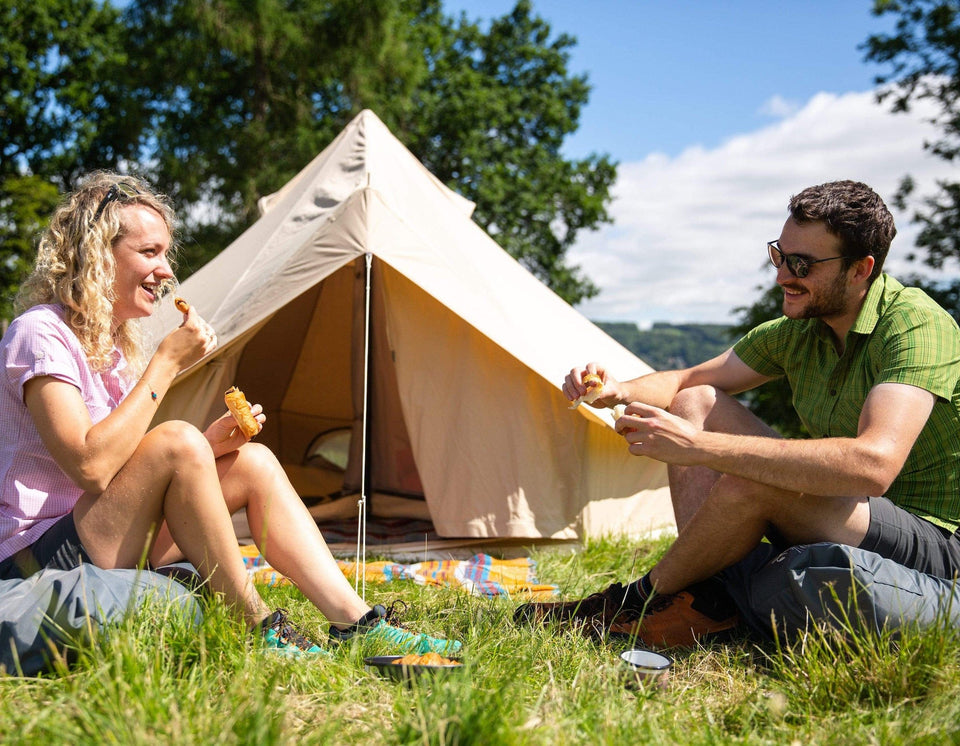
The Roundhouse bell tent sleeps 2 to 4 man with standing room throughout, making it a proper base camp for family trips. The Frejus A-frame is a 2 man option with a classic look for 3-season use.
Tent questions answered
What is the best tent for camping?
It depends on how you camp. For weekend trips with the car nearby, a weekend camping tent with a porch and standing room is the practical choice. For multi-day walks, a backpacking tent under 2kg matters more. For bikepacking, pack size usually wins. Our tent buying guide walks through every decision.
What is a winter camping tent?
A winter camping tent is built to handle snow loading and sustained wind rather than just rain. That means a geodesic or semi-geodesic pole structure, stronger fabrics, and a lower profile. Our 4-season mountain tents are designed specifically for winter use in the UK and at altitude.
What size tent do I need?
A good rule: go one size up from your group. A 2 man tent is genuinely comfortable for one person on a multi-day trip. Two people sharing a 3 man tent have room to store kit inside. The range here runs from 1 man shelters to 6 man tents.
How do I clean a tent?
Hand wash with a specialist cleaner, never machine wash or use detergent. Dry fully before packing away. Full instructions in our tent care guide.
Mountain journal
Grab a brew, kick back and relax with in-depth features, tales of derring-do and Go Nice Place Do Good Things.
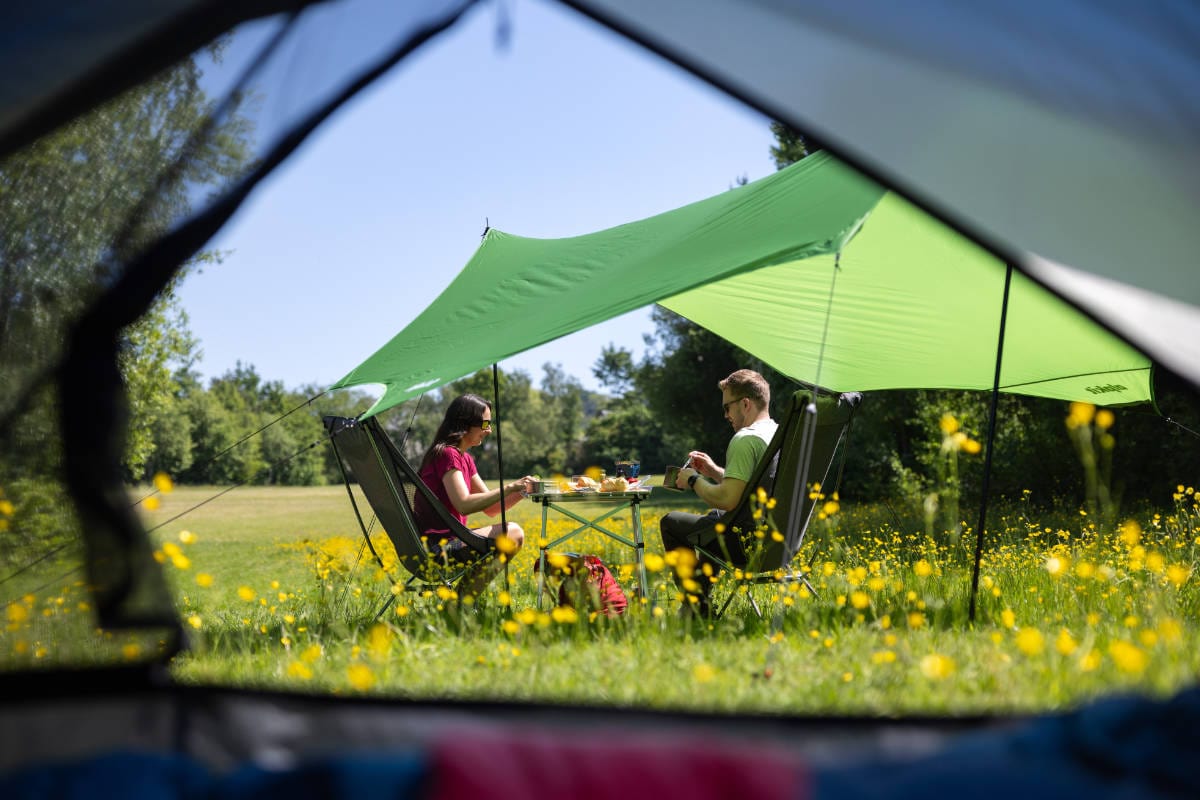
How To Stay Cool While Camping In Hot Weather
Summer’s an idyllic time to be outside. Long days, warm weather, and no need to break the ice off your...
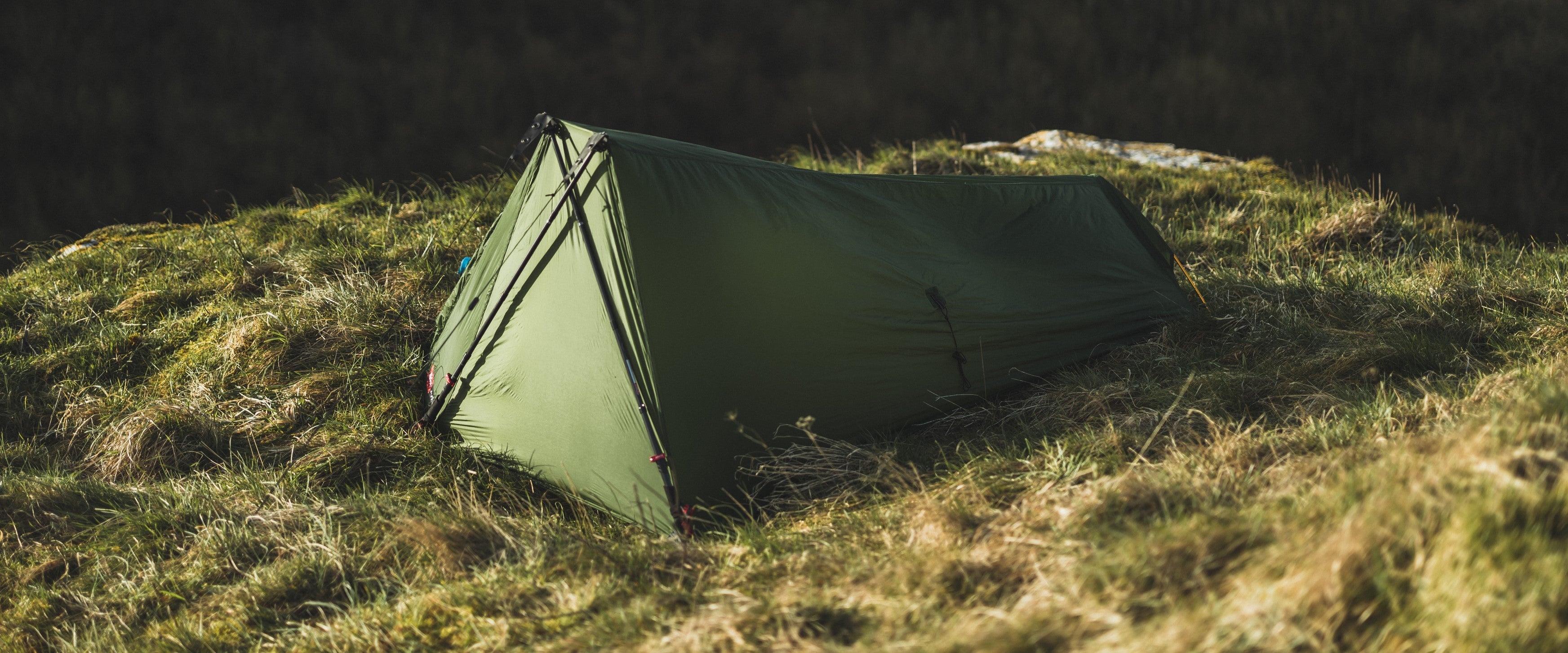
How to Choose the Right Tent for Camping
Welcome to our essential guide to help you choose the best lightweight tent for your camping trip. Taking your first...
The ultimate guide to wild camping
There's something magical about falling asleep beneath an unobstructed canopy of stars, with nothing but canvas between you and the...
Canvas Bell Tents and Cotton Canvas Tents: The Complete Guide
With their complex structures, alloy poles and man-made fabrics, backpacking and mountain tents can't be beaten for weight and pack...
Fire Retardant In Tents
Most of us go camping to enjoy special moments in nature. Summer sunsets, fresh mornings and birdsong, crawling into a...
Tents for Bikepacking and Touring
Your shelter is the biggest single weight decision you'll make when packing for a bikepacking trip. Get it right and...