





 Sonder Bikes


Choosing a bikepacking tent means balancing weight, pack size and comfort. From ultralight solo tents to hooped bivvies, find the right shelter for your ride.
Your shelter is the biggest single weight decision you'll make when packing for a bikepacking trip. Get it right and you'll arrive at camp, pitch in minutes and sleep well. Get it wrong and you'll either be carrying unnecessary kilograms up every climb, or lying awake wishing you'd brought something more substantial.
This guide covers the key decisions: tent versus bivvy, weight versus livability, solo versus shared and gives you a clear steer on which options suit which type of riding. If you're figuring out how to load it all onto your bike, read our guide to packing for bikepacking first.
In this guide
- How to choose a bikepacking tent
- Ultralight and wild camping
- Soloist: the go-to solo bikepacking tent
- Elan: the hooped bivvy for fast and light riding
- Completing your sleep system: the Radiant sleeping mat
- Our full range of bikepacking shelters
How to choose a bikepacking tent
There are five things to weigh up when choosing a shelter for bikepacking:
- Weight and pack size: how much room does it take in your bags and how much does it cost you on every climb?
- Weather protection: can it handle a wet night or a sustained storm?
- Livability: can you sit up, change your kit, and wait out a rainy morning without going stir-crazy?
- Setup speed: freestanding tents pitch faster. Trekking pole tents and tarps take practice.
- Solo or shared: splitting a tent between two riders is one of the best weight-saving moves available.
A good tent for bikepacking typically weighs between 1kg and 2kg. For ultralight setups, a hooped bivvy and tarp can get you under 800g. The trade-off is always comfort and weather protection; the lighter you go, the more you're relying on good conditions and a good sleeping bag.
As a benchmark, aim for your combined camping gear (tent, sleeping bag, mat, cooking) to come in between 5kg and 10kg. That leaves enough capacity for food, clothing and spares without compromising your bike's handling.
As bikepacker Julie Elliot notes, lighter isn't always better. The right tent is the one that suits your trip, your conditions, and your sleep.
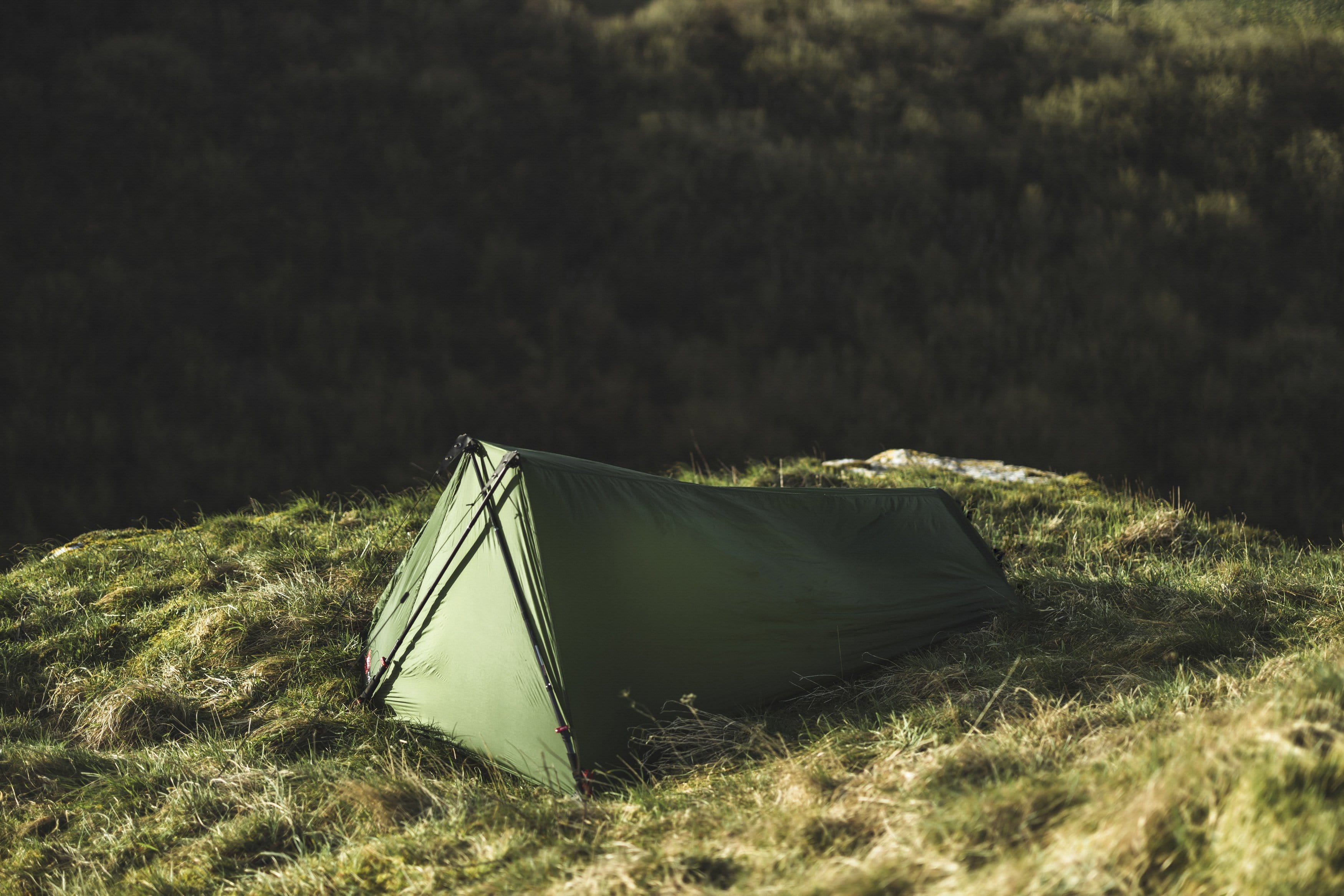
Ultralight bikepacking and wild camping
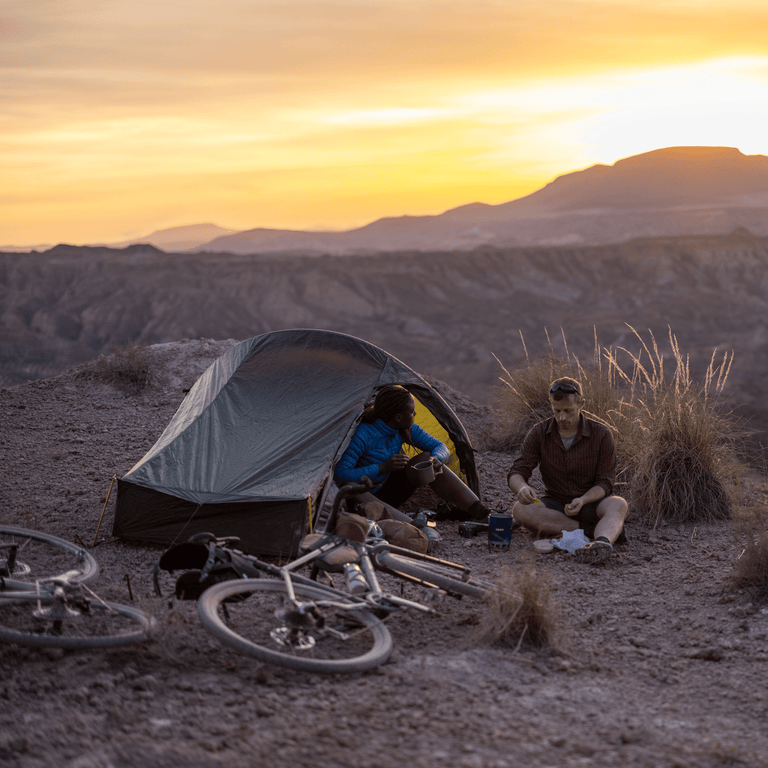
Getting away from the roads often means a night in the wild. If you're planning on wild camping, think through what else you'll need beyond shelter: a water filter, some navigation, toilet paper. The lighter your sleep setup, the more options open up for where you sleep.
Unpaved and less-travelled paths make for slow going. Keep kit to a minimum and remember the general rule: the shorter the trip, the lighter you can go. On longer tours, comfort compounds and a better night's sleep is worth the extra grams.
Weight-saving tips for your shelter system
- Consider a hooped bivvy over a solo tent thats around 600g saved for a solo rider
- If riding with a partner, split tent components: one carries poles and pegs, one carries inner and fly
- Choose a freestanding tent if setup speed matters more than last-gram weight savings
- A trekking pole tent like the Polestar can be brilliant if you already carry poles; the poles do double duty
- In settled summer conditions, a tarp and bivvy combination can halve your shelter weight
Soloist: the go-to solo bikepacking tent
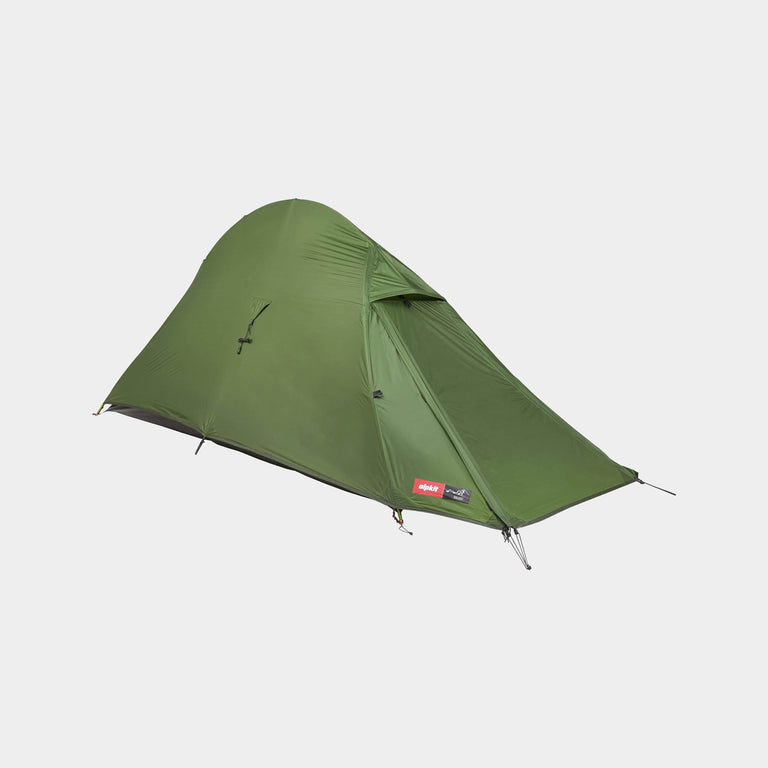
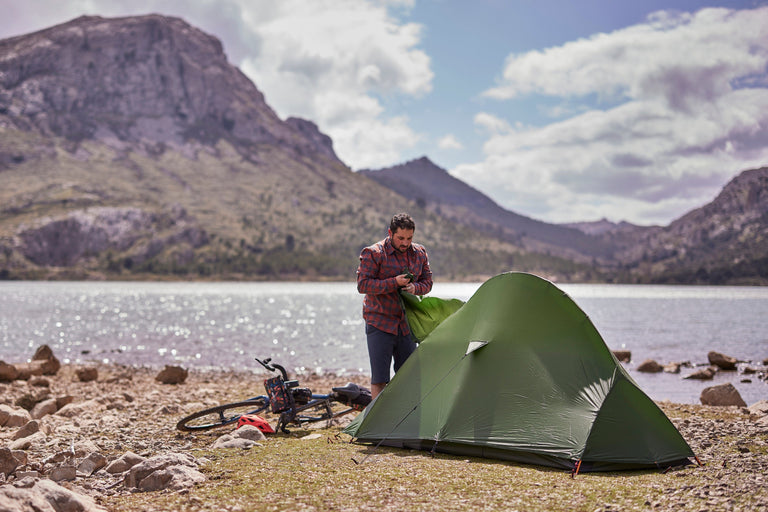
The Soloist is our most popular shelter for solo bikepacking. It's a freestanding semi-geodesic tent that pitches fast, stands without guy ropes in calm conditions, and gives you genuine liveable space for one person and their kit.
It weighs around 1,200g, that's more than a bivvy, but hat weight buys you a porch to stash muddy kit, enough headroom to sit up and change, and solid weather protection for British conditions and beyond. After a long day in the saddle, the Soloist feels like a proper shelter, not just a rain cover.
Pack size is compact enough to fit lengthways in a handlebar bag or saddle bag, which keeps your frame bag free for the heavier items that handle better closer to the bike's centre of gravity.
The Soloist suits riders who want a reliable, versatile option for multi-day trips across mixed terrain, the kind of bike touring where you're covering distance but not racing, and where a bad night's sleep costs you the next day.
Elan: the hooped bivvy for fast and light riding
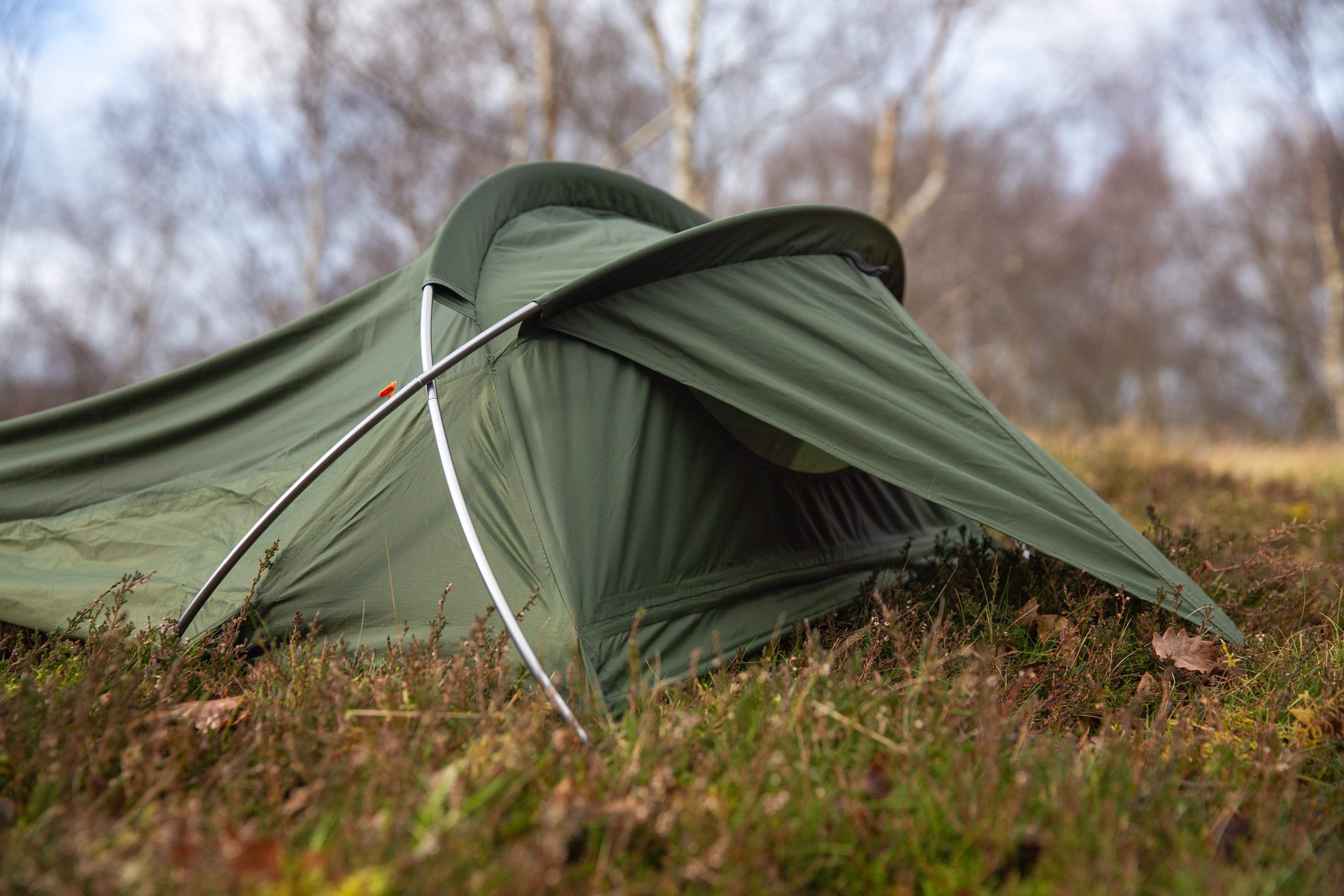
The Elan is a hooped bivvy bag, a step up from a flat bivvy, a step down from a solo tent. If the Soloist is your home on the road, the Elan is your bothy bag on the move.
The hoop creates a small air space above your face and chest, which makes a significant difference to comfort and condensation management compared to a flat bivvy. You can lie on your back without the fabric on your face, and there's just enough room to read a phone screen or get dressed without performing contortions.
It packs smaller and lighter than the Soloist, making it the natural choice for fast-and-light overnighters, endurance events and bikepacking trips where you want to cover ground quickly and stop only to sleep. Paired with a quality sleeping bag and a lightweight tarp for wet nights, it covers most conditions the UK throws at you through spring and summer.
The trade-off compared to a tent is obvious: there's no porch, no sitting space, and in sustained rain you're more exposed. But for riders who treat the camp as functional rather than social, the Elan earns its weight savings every time.
Completing your sleep system: the Radiant sleeping mat
Your shelter keeps the weather off. Your sleeping bag keeps you warm from above. But the ground will drain heat from your body faster than cold air if you're not insulated from below, and that's where your sleeping mat becomes as important as either.
The Radiant is our inflatable sleeping mat for bikepacking and lightweight camping. It's built around balancing packability, warmth and comfort, three things that often pull in different directions at the lighter end of the mat market.
It packs small enough to fit inside a saddle bag alongside a sleeping bag, adds meaningful insulation from cold ground, and gives you a comfortable sleeping surface for multi-night trips where a thin foam mat would start to take its toll on your back. At this end of the weight range, it's the mat we'd reach for when riding with the Soloist or Elan as part of a complete lightweight sleep system.
A 3-season sleeping bag, the Radiant mat and either the Soloist tent or the Elan bivvy is a coherent, well-balanced sleep system for spring and summer bikepacking. For a full breakdown of how to put your camp setup together around these pieces, including cooking kit see our bikepacking camp setup guide.
Our full range of bikepacking shelters
One person bikepacking tents
- Ultra: 900g ultralight solo tent
- Soloist: 1,200g freestanding solo tent
- Aeronaut 1: air pole solo tent
- Polestar: trekking pole tent
- Tarpstar 1: lightweight pyramid tent
Ultralight tents for two
- Aeronaut 2: air pole two-person tent
- Tarpstar 2: two-person pyramid tent
- Ordos 2
- Ordos 3
- Jaran 2
- Jaran 3
Bikepacking and cycle touring tents
Spacious cycle touring tents
- Viso 2 tunnel tent
- Viso 3 tunnel tent
- Kangri 4-season geodesic tent
- Tarpstar 4: four-person pyramid tent
Touring with children? The Frejus 2 is a lightweight two-person tunnel tent that pitches fast and fits neatly onto a loaded bike. See our full guide to bikepacking with children for trailers, tag-alongs and everything else the family setup needs.
Bivvy bags and tarps
For the fastest, lightest setups: a bivvy bag and tarp combination weighs as little as 565g (excluding pegs and cord) and gives you maximum flexibility for wild camping locations. Our shelter overview guide covers the full range of options.
- Elan hooped bivvy
- Hunka and Hunka XL bivvy bags
- Kloke lightweight bivvy bag
- Mora hammock
- Lightweight tarps
Further reading
- How to pack for bikepacking: fast and light to fully loaded
- Bikepacking: the complete guide
- Bikepacking camp setup kitlist
- Multi-day bikepacking kit list
- Choosing the best bike for bikepacking
- Bikepacking with children: family off-road adventure guide
- Tents explained: choose the best tent for your camping trip
Tents
-
Sale
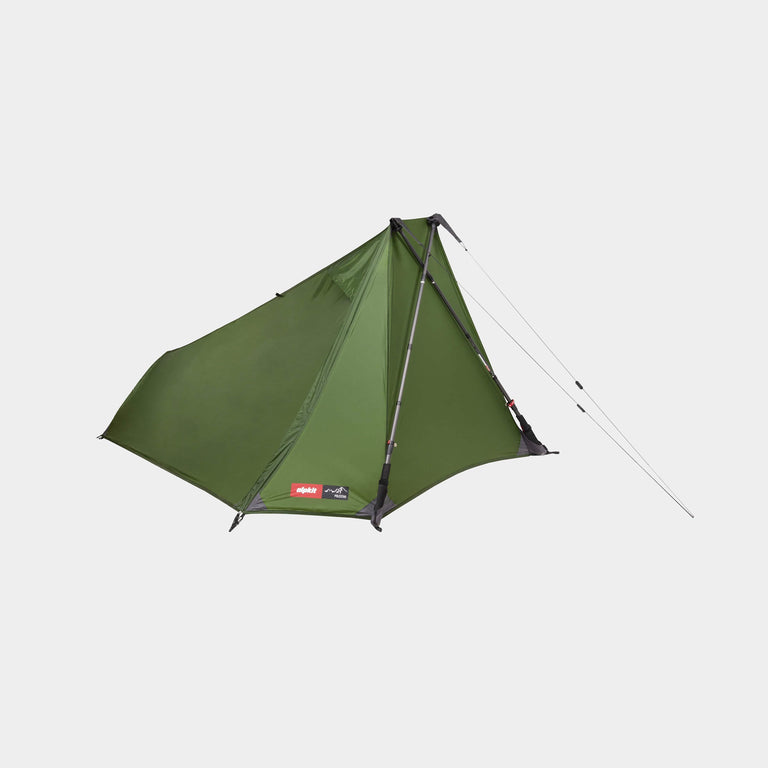
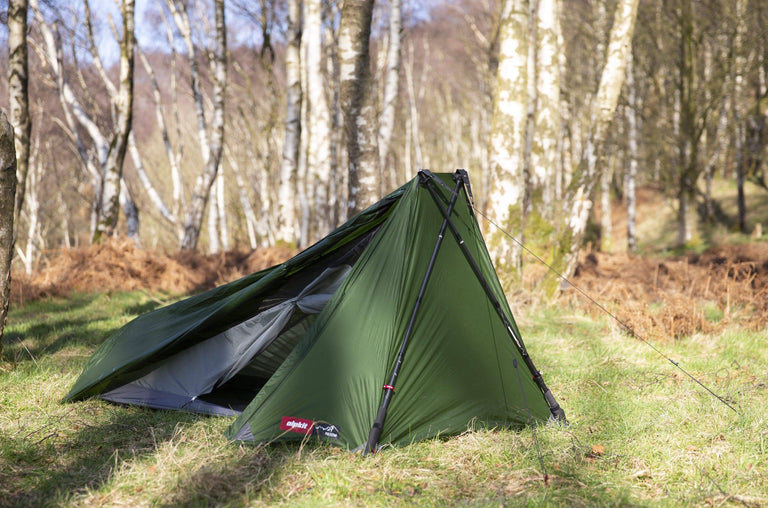


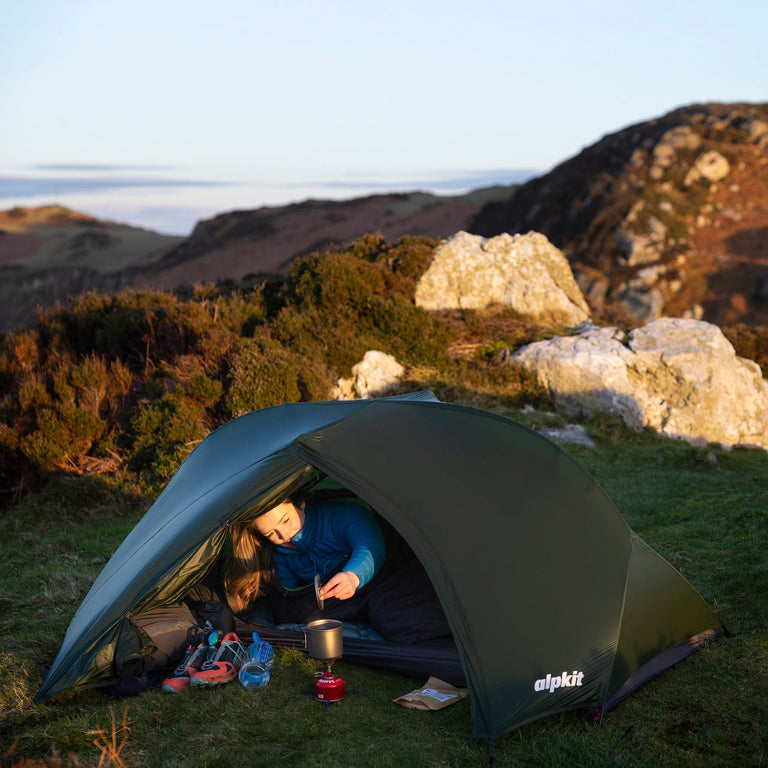

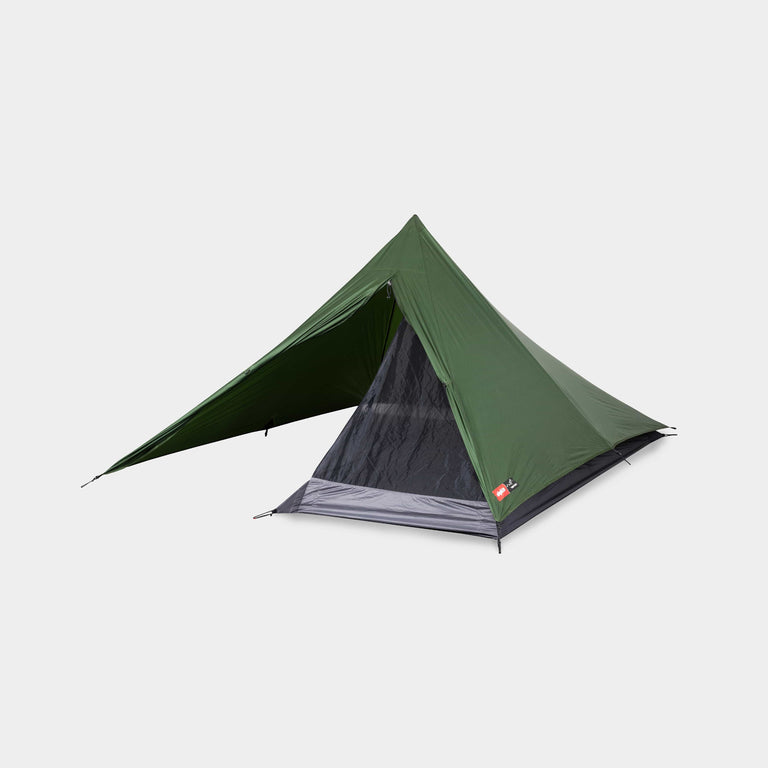
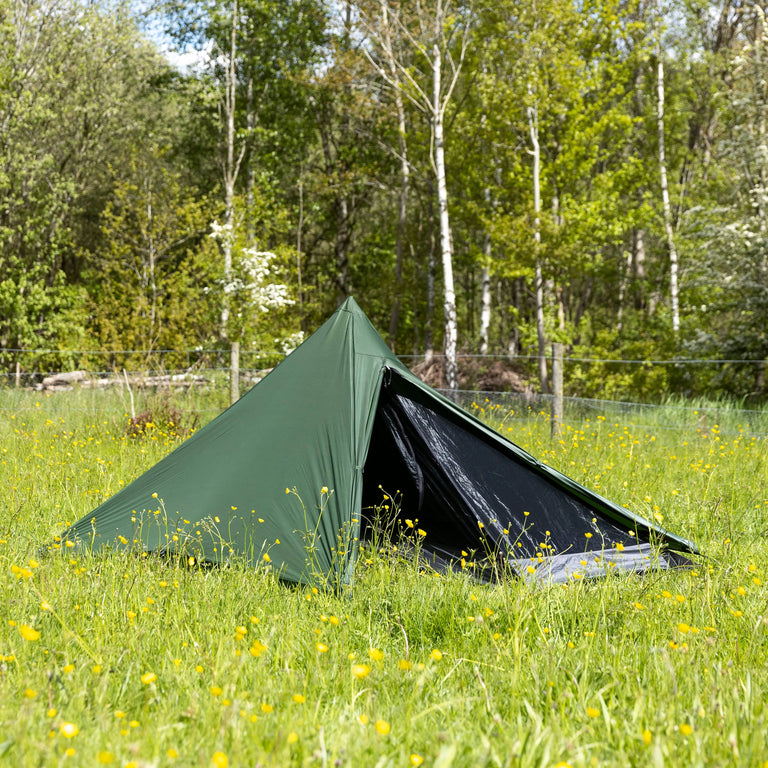
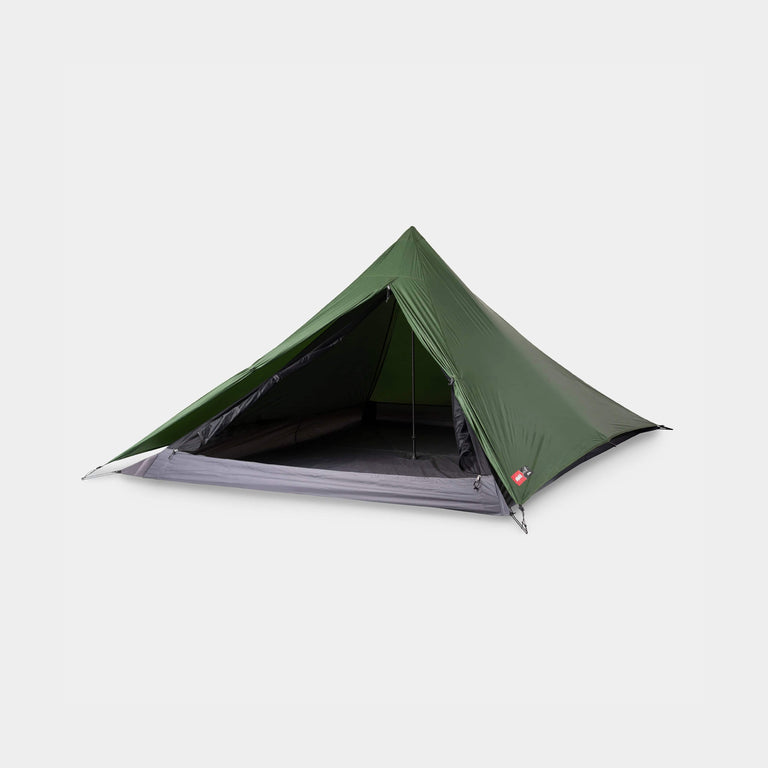
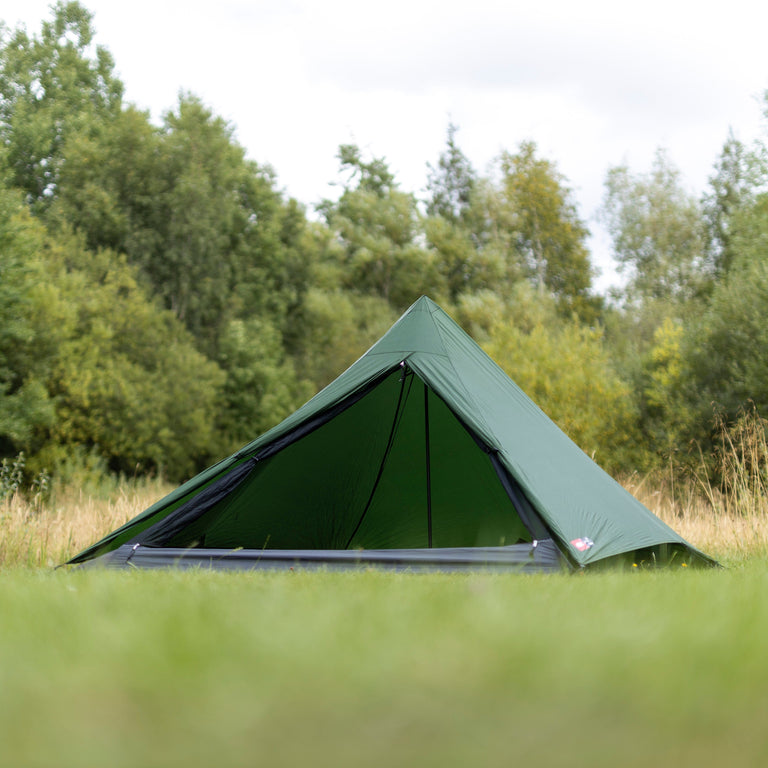
Tarpstar 2
Ultralight pyramid tarp tent for backpacking: 2-person, 3-season, as light as 500g
£186.99
-
Sale
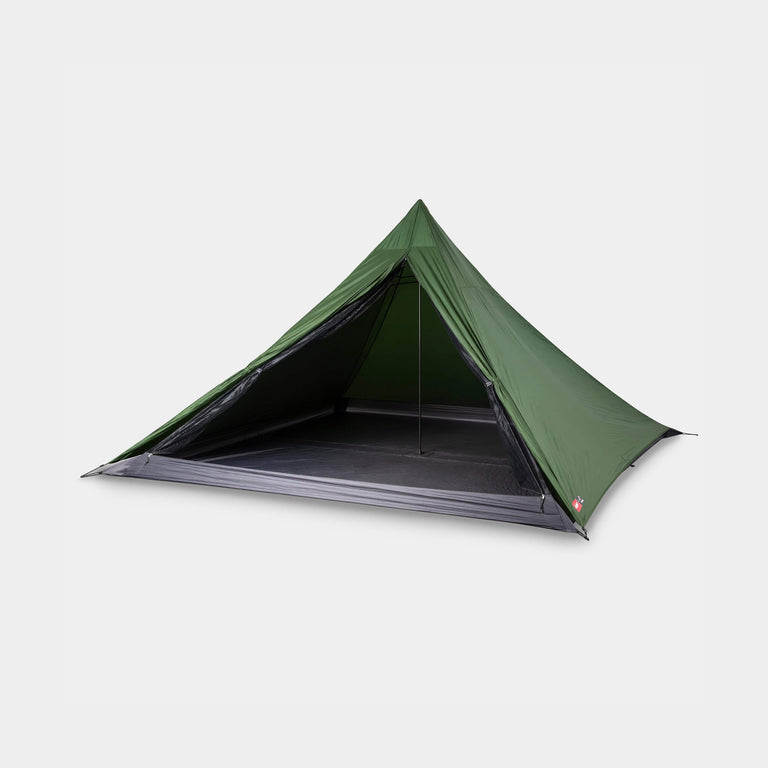
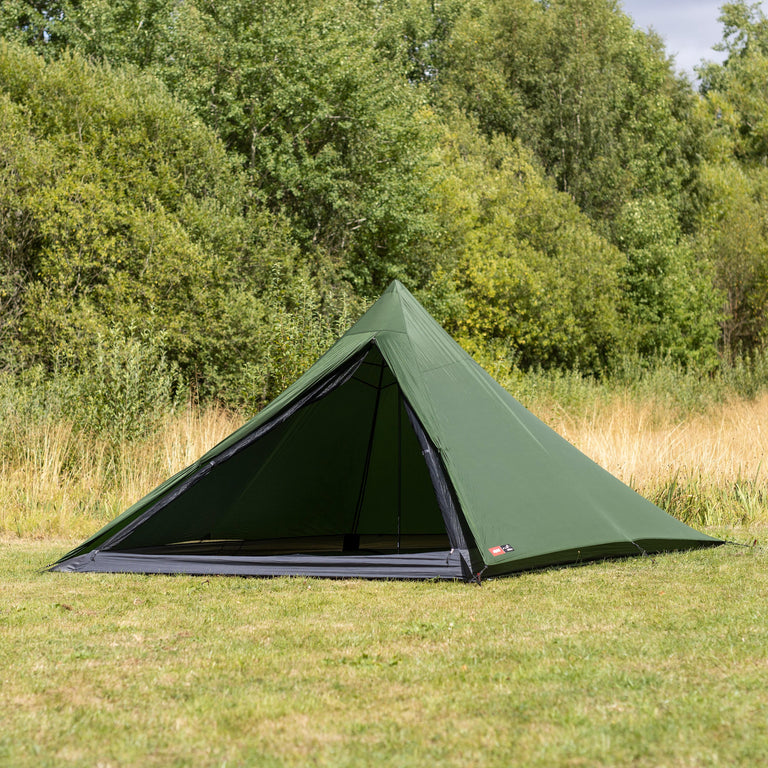
Tarpstar 4
Ultralight pyramid tarp tent for backpacking: 4-person, 3-season, as light as 771g
£199.97
£259.99
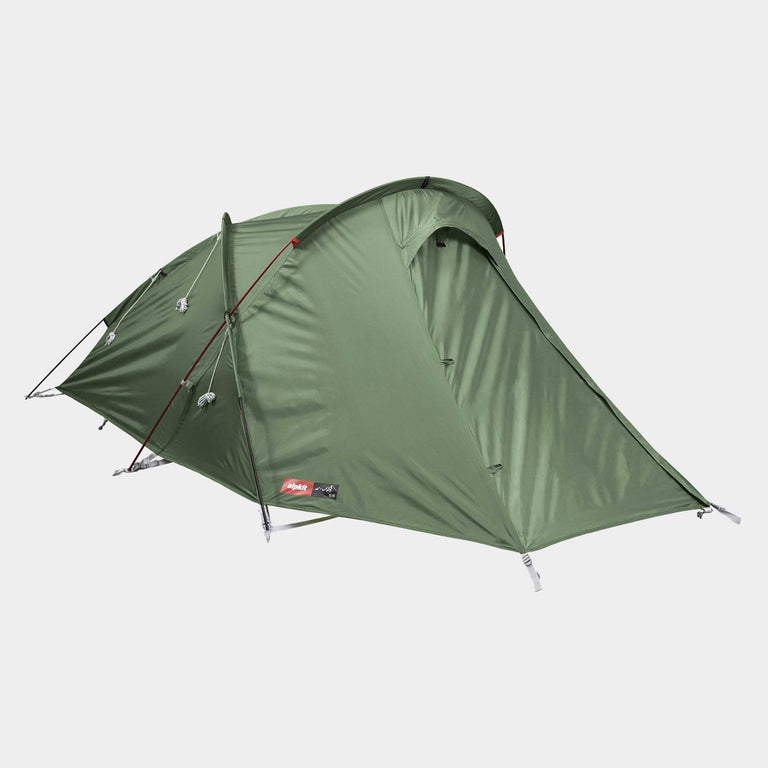
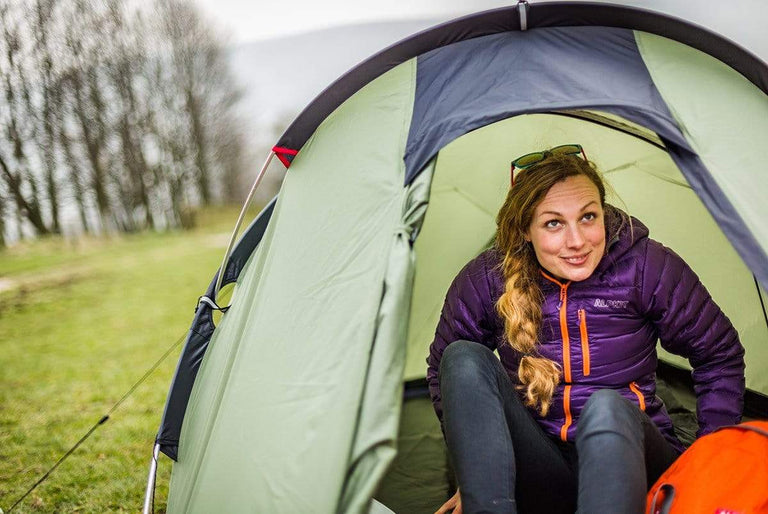
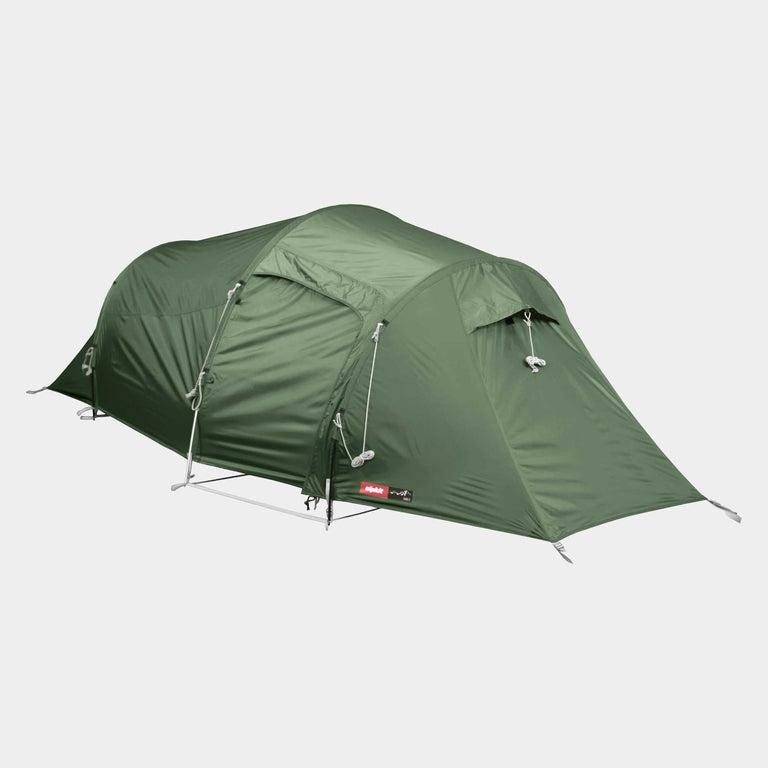
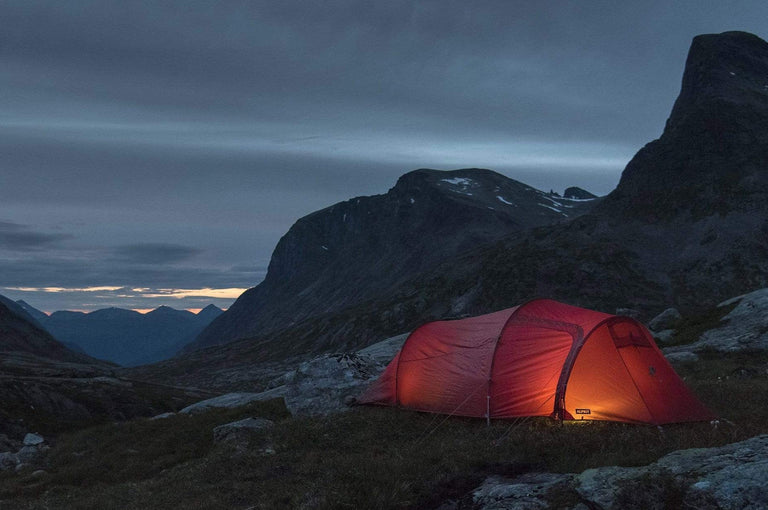
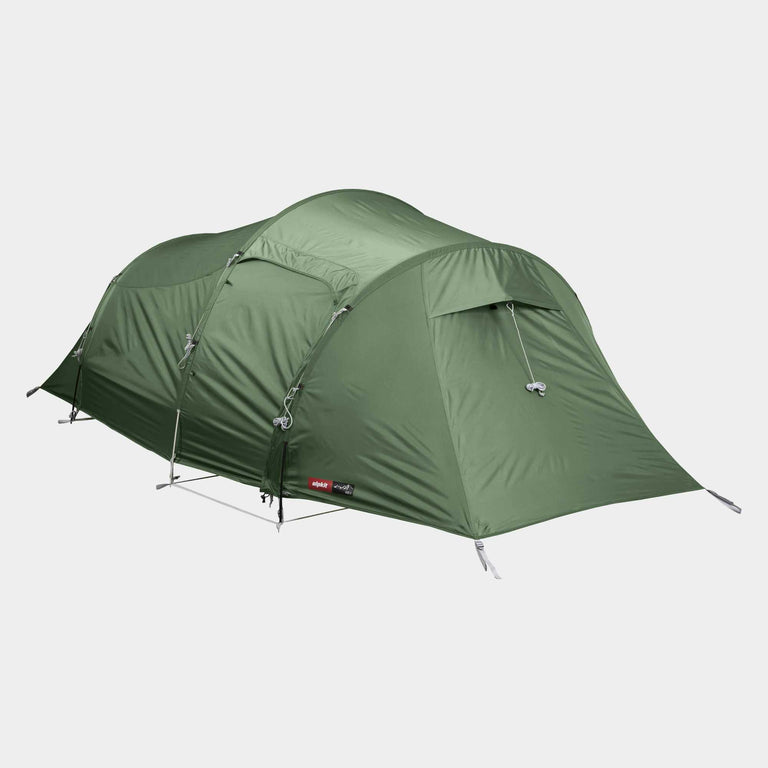
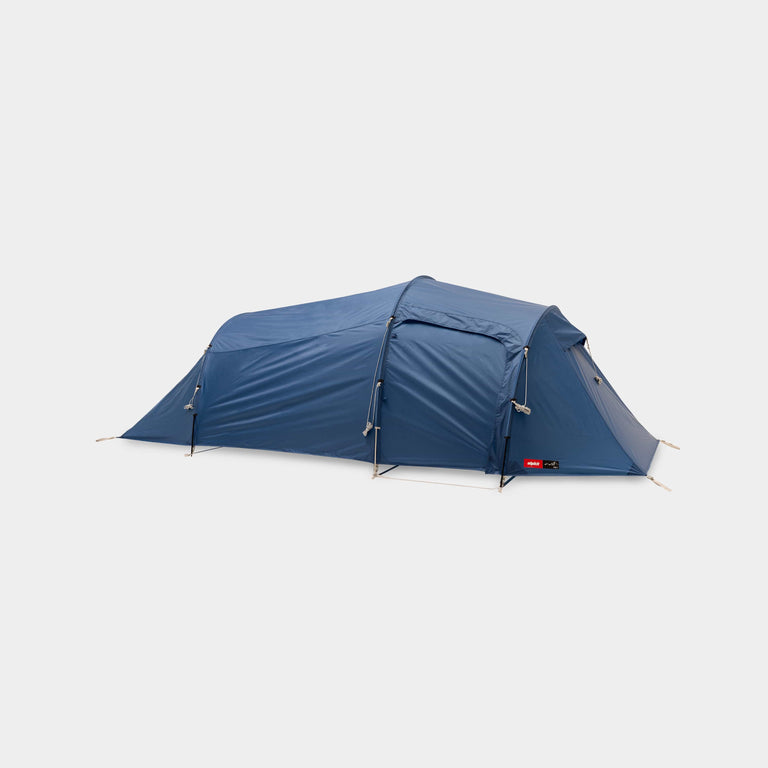


Aeronaut 2
Innovative air pole tent great for bikepacking and hiking trips: 2-person, 3-season, 1.5kg
£209.99