Sonder Bikes

How to Wash and Reproof Your Waterproof Jacket



How to wash and reproof a waterproof jacket to restore DWR performance. Simple step-by-step guide covering wash frequency, reproofing and drying.
If you’re not sure how to wash and reproof your waterproof jacket and trousers, then here’s our guide to get your waterproof clothing working like new. It's dead easy, whether you're heading up a Munro, out on the bike, or just walking the dog. For the full picture on caring for the rest of your kit too, see our complete outdoor gear care guide.
You can use an in-wash waterproofer to make your jacket and trousers waterproof again. Here’s how:
Whenever it gets dirty, basically. For regular use, every three to four months is about right. If you're not often out in the wet, twice a year should be enough — time it for the start and end of the rainy season.
Washing is more frequent than reproofing, and it's not optional: dirt and body oils (sweat, sun cream, general grime) work against the DWR whether or not it's actually failing. A jacket that's overdue a wash can wet out even with a perfectly good DWR coating underneath the dirt, so reproofing won't fix it, a wash will.
You should reproof your waterproofs when you notice they’re not beading anymore. This is our simple test to check whether it’s time to reproof:
After washing, pour a small amount of water onto the high-wear points of your jacket — typically the shoulders (where your pack straps rub) and your cuffs. If the water beads up and rolls off, your DWR is working. If it spreads across the surface and soaks into the outer fabric, it's time to reproof. Always run this test on clean kit: dirt and body oils can mask whether the DWR is functioning or not, giving you a false reading.
You should reproof your waterproof clothing around every 6-12 months, depending on how much you use it. You may find you need to reproof your clothing more frequently for heavier usage, or if you use your waterproofs for intense exercise like hiking, running, biking and climbing.
Yes, on a low or medium heat, so long as the care label doesn't say otherwise. Heat helps reactivate the DWR after a wash or reproof, so a low tumble dry (or a cool iron if you'd rather not use the dryer) is genuinely useful here, not just a drying method. Air drying works fine too if that's what the label recommends.
In short, nope. It’s not just the waterproof coating that makes a jacket waterproof – waterproof jackets work with their waterproof membrane and the taped seams, too. You can, however, apply a water-repellent coating using a waterproofing spray like Nikwax. If you're curious about the technology behind these fabrics, we've written about how we source our waterproof fabrics. For drier days when full waterproofs are overkill, it's also worth understanding what a softshell jacket is and when to use one.
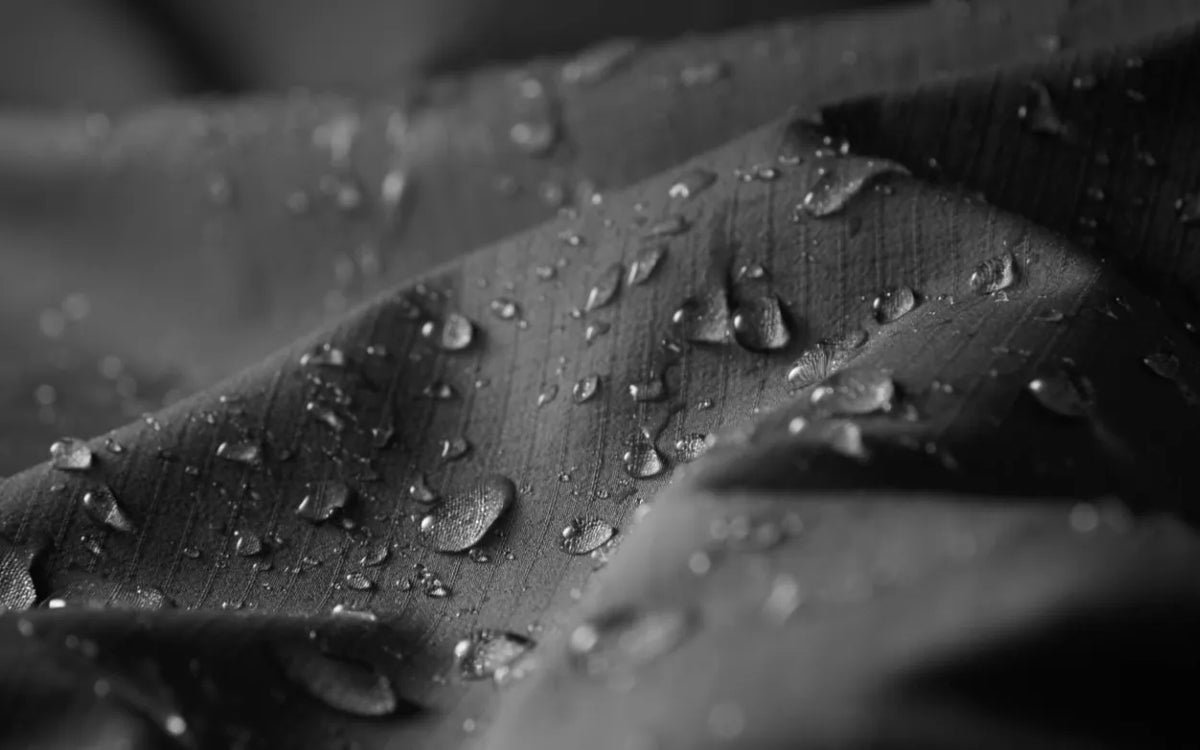
Your waterproof jacket and trousers are treated with a durable water repellent (DWR) that causes water to 'bead' on the surface rather than soaking in (like the picture above!). Dirt and oils, including those from your own body, stop the DWR working even when the coating itself is fine, which is why washing matters even when you don't yet need to reproof. On top of that, the DWR treatment wears out over time regardless, and when it does, your waterproof clothing starts absorbing water and loses its breathability.
Either way, the result is the same: the fabric 'wets out', and once it has, moisture from your own body has nowhere to go. The average person loses 1-2 litres of water an hour through perspiration during exercise. If your jacket can't breathe, that moisture stays trapped inside, and you get cold fast, even though the jacket is still technically waterproof. Washing restores the DWR's ability to work; reproofing tops up the DWR treatment itself so water continues to bead on the surface.
If you feel damp inside your waterproof jacket during a hard effort, it's more likely to be perspiration than rainwater getting in. When the outer fabric wets out, it loses breathability. Moisture from your body can't escape, so it condenses on the inside of the jacket. The jacket is still technically waterproof — but it feels wet from the inside out. Reproofing restores the DWR and brings back breathability, so your sweat can escape again. If in doubt: look at where the damp is. Condensation starts from the inside. A leak comes from outside in.
Washing your waterproof clothing doesn't damage it — washing is actually essential to keep it working properly. When your jacket stops beading, it may not need reproofing right away. It might just need a good clean.
Things like mud, sweat, body oils, insect repellents and detergents/conditioners can contaminate your clothing's DWR treatment, stopping it from working effectively.
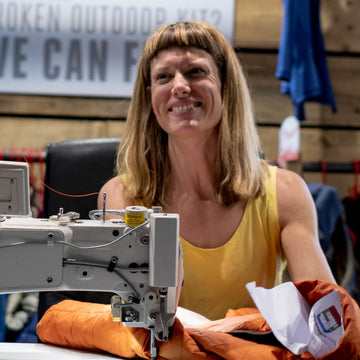
Our Repair Station handles reproof, down wash and repairs for any brand of outdoor kit. Waterproof jackets, insulated layers, sleeping bags and more. Available in every store and online. Want to understand why reproofing matters before you decide? Read why your jacket needs reproofing and how DWR works.
Black Friday


Black Friday


Black Friday


Black Friday


Black Friday


Black Friday


Black Friday
Black Friday


Black Friday


Clearance
Black Friday


Black Friday