

 Sonder Bikes


Get ready for your next ultra with our essential ultramarathon kit list, from shoes to nutrition and must-have gear for race day and beyond.
Ultramarathon kit needs to balance weight against safety and comfort, whether you're new to Alpkit's running hub or a seasoned ultra runner. Every gram matters when you're running 50+ miles, but carrying too little leaves you exposed when conditions change or fatigue sets in.
Essential ultramarathon kit overview
The essential kit falls into six categories: carrying system, shelter, clothing layers, footwear and foot care, hydration and nutrition, and safety equipment.
The key to ultramarathon kit follows the F.A.S.T. principle:
- Functional - Every item must serve a purpose; dead weight slows you down
- Accessible - If it's hard to reach, you won't use it when you need it most
- Sufficient - Carry enough to handle changing conditions and emergencies
- Tested - Never race with untested kit; train with everything you'll carry
Always check the mandatory kit list for your specific event. Requirements vary based on terrain, distance, and time of year.
Typical mandatory kit requirements
Most UK ultramarathons require you to carry:
- Waterproof jacket with hood and taped seams
- Waterproof trousers (for longer or mountain events)
- Emergency shelter or survival bag
- Headtorch with spare batteries
- Whistle
- First aid kit with blister treatment
- Mobile phone (fully charged)
- Minimum 1-2 litres water capacity
- Emergency food
- Map, compass or GPS (depending on event)
Some events add warm hat, gloves, and full leg cover. Mountain ultras often require more. Check your specific event rules and expect spot checks at registration or on course.
Need the quick version? Jump to the complete ultramarathon kit checklist at the end of this guide.
Running Backpacks for Ultramarathons
Your pack is the foundation of your kit system. It needs to carry everything comfortably while staying accessible during long hours on the move. Get this wrong and you'll be adjusting straps instead of focusing on the trail.
Choosing the right running backpack for ultras
Two options work for ultras: running vests (backpacks) or waist packs. Running vests carry more and offer flexible storage options. Waist packs keep your centre of gravity low and spin round easily to access kit without removing the pack.
For most ultras, a 6-12 litre running vest handles mandatory kit comfortably, especially on well-supported races with frequent aid stations. Longer events with overnight sections need more capacity.
What to look for:
- 6-12 litre capacity for day ultras, 20-25 litres for overnighters
- Front pockets for bottles, food and phone
- Adjustable chest straps that won't chafe over long distances
- Pole attachment points if you're using trekking poles
- Stretch mesh pockets for stashing layers on the move
Our picks:
- Arrowhead 6L - Minimalist running vest for fast, aid-station-supported ultras
- Artlu 10 - Running vest for day ultras
- Vora - Waist pack for minimal kit
- Presta 25L - Extra capacity for multi-day events
- Rucksack Cover - Keeps your pack dry and light
Ultramarathon Shelter and Sleep System
Shelter requirements depend on your event. Day ultras might only need emergency backup, while multi-day events demand proper sleep kit. Check your mandatory list carefully, as some races specify exact shelter types.
Shelter requirements for ultramarathons
Many ultramarathons require emergency shelter as mandatory kit. Longer events where you'll need to sleep demand proper bivvy gear or a lightweight tent.
What to look for:
- Fully waterproof construction (not just water-resistant)
- Pack size small enough to fit in your running vest
- Weight under 500g for emergency bivvies
- Bright colour for visibility in emergencies
- For tents: uses trekking poles instead of dedicated poles to save weight
Recommended ultramarathon shelter
For emergency-only use, an ultralight bivvy bag provides protection without noticeable weight. For planned sleep stops, a trekking pole tent offers proper rest without carrying tent poles.
Our picks:
- Kloke - Ultralight waterproof bivvy, packs down tiny
- Survival Bag - Emergency shelter for mandatory kit
- Polestar - Trekking pole tent for overnight events
Ultramarathon sleeping bags
Ultramarathon sleeping bags prioritise pack size and weight over maximum warmth. By the time you stop to sleep, you're usually exhausted. Choose a bag that handles moisture in case you're too tired to be careful.
What to look for:
- Smallest possible pack size (you're carrying it while running)
- Synthetic fill if conditions might be wet (down loses loft when damp)
- Down fill for best warmth-to-weight in dry conditions
- Comfort rating appropriate for the season
- Water-resistant shell fabric for damp ground
Our picks:
- Pipedream 200 - Best compression and warmth for mild conditions
- Ultra 80 - Synthetic, handles damp conditions
- Pipedream 400 - Warmer option for winter ultras
- Cloud Base - Ultralight sleeping mat for ground insulation
Ultramarathon Clothing
Layering is everything. Conditions change fast over 12+ hours, and what works at midday becomes dangerous at 3am. Build a system where each piece earns its place in your pack.
Essential ultramarathon clothing
The minimum for any ultra: a waterproof jacket and an insulating layer. Add to this based on conditions, event duration, and mandatory kit requirements.
Waterproof jackets for ultramarathons
Weight matters, but so does protection. An ultralight waterproof that fails in bad weather is worse than carrying slightly more weight.
What to look for:
- Fully taped seams (required by most events)
- Hood that fits over a cap or beanie
- 3-layer construction for durability and breathability
- Articulated fit that doesn't ride up when running
- Pit zips or high breathability rating for temperature regulation
- Weight under 300g for running comfort
Our picks:
- Gravitas - Ultralight 3-layer waterproof with full movement
- Parallax - Waterproof trousers for full leg coverage
Insulating layers for ultramarathons
Synthetic insulation works better than down for running. It handles sweat and rain without losing warmth.
What to look for:
- Synthetic fill (maintains warmth when wet from sweat or rain)
- Lightweight and packable
- Close fit under a waterproof layer
- Quick-drying fabrics for base layers
- Merino for odour control on multi-day events
Our picks:
- Griffon Hoody - Synthetic insulation, works when damp
- Koulin Trail Long Sleeve - Quick-drying wicking layer
- Kepler Long Sleeve - Merino for temperature regulation
Protection for head, hands and extremities
Extremities lose heat first. Lightweight protection weighs almost nothing but makes a significant difference when temperatures drop.
What to look for:
- Lightweight fabrics that pack small
- Gloves thin enough to operate zips and phone
- Beanie that fits under a hood
- Cap with dark underbrim to reduce glare
Our picks:
- Koulin Cap - Sun and light rain protection
- Mountain Beanie - Warmth for night running
- Sheil Gloves - Lightweight warmth for cold hands
Ultramarathon Footwear and Foot Care
Your feet carry you for 50+ miles. Foot problems end more ultras than any other issue. Get your footwear right and look after your feet throughout the event.
Choosing ultramarathon shoes
Match your shoes to the terrain. Trail ultras need grip and protection. Road-heavy courses work better with cushioned road shoes. Some runners carry two pairs for mixed-surface events, swapping at drop bag points.
What to look for:
- Trail shoes: aggressive lugs, rock plate, secure fit
- Road shoes: cushioning, lighter weight, breathability
- Half a size up from normal (feet swell over long distances)
- Drainage if running through water crossings
- Proven on long training runs (never race in new shoes)
Trail gaiters for ultramarathons
Gaiters stop debris, grit, and water from getting into your shoes. On technical trails or in wet conditions, they prevent the constant stops to empty stones from your shoes.
What to look for:
- Low-profile design that doesn't interfere with running
- Secure attachment to shoe and lower leg
- Breathable fabric to prevent overheating
- Quick to put on and remove
Blister prevention for ultramarathons
Blisters form from friction and moisture. Address both:
What to look for in socks:
- Moisture-wicking fabric (merino or synthetic)
- Seamless toe construction
- Cushioning in high-impact areas
- Tested on long training runs
Blister kit essentials:
- Zinc oxide tape for hot spots
- Blister plasters (Compeed or similar)
- Needle and alcohol wipe for draining
- Lubricant for problem areas
Know your feet. If you always get a hot spot in the same place, tape it before you start.
Anti-chafing for ultra distances
Anywhere skin meets skin or fabric rubs repeatedly will chafe over ultra distances. Apply anti-chafing balm before you start and carry extra for reapplication. Common problem areas include inner thighs, underarms, nipples, and where pack straps sit.
Hydration and Nutrition for Ultramarathons
Your fuelling strategy can make or break an ultra. Getting it right means finishing strong. Getting it wrong means bonking at mile 40 with no recovery options. Plan for variety and accessibility.
Hydration capacity for ultramarathons
Carry at least two litres between aid stations. More in hot conditions or remote terrain. If you can't access water easily, you won't drink enough. If you don't drink enough, you won't finish.
What to look for:
- Minimum 2-litre capacity between checkpoints
- Easy access without removing pack (front bottles or bite valve)
- Soft flasks for adjustable capacity
- Wide openings for easy refilling at aid stations
- Insulated options for hot conditions
Our picks:
- Bota - 2-litre hydration bladder
- Swiglet - Soft flask for pack pockets
- Hippo Water Filter - Refill from natural sources
Also pack: Electrolyte tablets to maintain salt levels and prevent cramp.
Nutrition and fuelling strategy
Eating becomes harder as fatigue builds. Give yourself options, as different textures, flavours, and formats. If something becomes unpalatable at mile 60, you need alternatives.
What to pack:
- Mix of gels, bars, and real food
- Sweet and savoury options
- Caffeine for the later stages
- Foods you've tested in training
- More than you think you'll need
Our pick:
- Cuppertino 200ml - Collapsible cup for hot drinks at aid stations
Navigation and Safety Kit
When things go wrong in an ultra, you need to be self-sufficient. You might be hours from help on remote trails. The right safety kit keeps a bad situation manageable.
Essential ultramarathon safety kit
Always carry: a headtorch with spare batteries, first aid kit, whistle, and navigation equipment. Know how to use everything before you start. You'll likely be alone for long stretches.
What to look for in a headtorch:
- Minimum 200 lumens for trail running
- Battery life longer than your expected night sections
- USB rechargeable with option for spare batteries
- Comfortable strap that fits over a beanie
- Red light mode for preserving night vision
What to look for in navigation kit:
- Compass with clear baseplate for map reading
- Whistle audible over wind and distance (pealess design)
- Phone with offline maps downloaded
- Backup power source for longer events
Our picks:
- Qark - USB rechargeable headtorch
- Williams Fellmaster Compass - Reliable navigation backup
- Williams Emergency Whistle - Emergency signalling
Trekking poles for ultramarathons
Poles save your legs on long climbs and provide stability when fatigue affects coordination. Collapsible poles stow away for flat sections.
What to look for:
- Foldable or collapsible design for stowing
- Carbon for weight savings, aluminium for durability
- Comfortable grips for extended use
- Wrist straps that release under load (for safety)
Our pick:
- Carbon Marathon Ultra Twins - Ultra-compact carbon poles
Ultramarathon Kit Comparison
Not all ultras demand the same kit. A supported 50km on trails differs massively from a self-sufficient 100-miler with overnight sections. These comparisons help you scale your kit to match your event.
Day ultra vs overnight ultra kit
| Category | Day Ultra (50km) | Overnight Ultra (100km+) |
|---|---|---|
| Pack | Artlu 10 | Presta 25L |
| Shelter | Survival Bag | Kloke or Polestar |
| Sleep system | None | Pipedream 200 + Cloud Base |
| Insulation | Koulin Trail LS | Griffon Hoody |
| Waterproof | Gravitas | Gravitas + Parallax |
| Hydration | Bota | Bota + Swiglet |
| Headtorch | Qark | Qark + spare battery |
Winter ultramarathon kit additions
| Category | Summer Ultra | Winter Ultra Addition |
|---|---|---|
| Sleeping bag | Pipedream 200 | Pipedream 400 |
| Head | Koulin Cap | Mountain Beanie |
| Hands | Optional | Sheil Gloves required |
| Legs | Shorts/tights | Parallax waterproof trousers |
| Base layer | Koulin Trail LS | Kepler Merino |
Ultramarathon Tips
Experience teaches lessons the hard way. These tips come from common mistakes and race-day realisations. Apply them in training so you're not learning on event day.
Reducing pack weight
- Weigh every item; eliminate anything that doesn't serve a clear purpose
- Choose multi-use items where possible
- Pack only the food you need between aid stations
- Test your kit in training to know exactly what you'll use
Staying fuelled during an ultra
- Start eating and drinking early, before you feel hungry or thirsty
- Set reminders to eat every 30-45 minutes
- Vary your food-sweet, savoury, solid, liquid
- Keep food accessible; if it's buried in your pack, you won't eat it
- Practice your nutrition strategy in training runs
Night running essentials
- Test your headtorch before the event; know the battery life
- Carry a backup light source
- Wear reflective or bright clothing
- Slow down on technical terrain
- Keep your beanie and gloves accessible-temperatures drop fast after sunset
Handling deteriorating conditions
- Stop and put on extra layers before you get cold
- Use your emergency shelter if you need to wait out bad weather
- Know your exit points and cutoff times
- Trust your judgement-finishing isn't worth a serious incident
Drop bag strategy
Drop bags let you carry less by pre-positioning kit at checkpoints along the route. Used well, they turn a heavy pack into a light one without sacrificing safety.
- Pack a spare pair of shoes and socks if the course crosses water or deep mud
- Include a full clothing change for overnight sections. Sweat-soaked kit gets cold fast once you stop moving
- Label bags clearly and pack them in the order you'll need items, so nothing gets buried at the bottom
- Leave painkillers, extra blister supplies, and a spare headtorch battery in every bag, not just one
- Write your race number on each bag and check the event's drop bag cut-off times before you plan around them
Don't rely on a drop bag for anything mandatory. Cut-offs get missed, bags get misplaced, and marshals move on before you arrive. Treat a drop bag as a comfort upgrade, not your safety net.
Summary: Complete Ultramarathon Kit Checklist
This is your packing reference. Print it, tick items off as you pack, and adapt it based on your specific event's mandatory kit requirements. Not every item is needed for every ultra. Start with the mandatory kit from your event, then add based on conditions and distance.
Carrying System
- Running vest or pack (Artlu 10 or Presta 25L)
- Rucksack cover (Rucksack Cover)
Shelter & Sleep
- Emergency shelter (Kloke or Survival Bag)
- Sleeping bag (Pipedream 200 or Ultra 80)
- Sleeping mat (Cloud Base)
Clothing
- Waterproof jacket (Gravitas)
- Waterproof trousers (Parallax)
- Insulating layer (Griffon Hoody)
- Base layer (Koulin Trail LS or Kepler)
- Cap (Koulin Cap)
- Beanie (Mountain Beanie)
- Gloves (Sheil Gloves)
Footwear & Foot Care
- Trail or road running shoes (broken in)
- Moisture-wicking running socks
- Spare socks for long events
- Trail gaiters (for technical terrain)
- Anti-chafing balm
- Blister kit (tape, blister plasters, needle for draining)
Hydration & Nutrition
- Hydration bladder (Bota)
- Soft flask (Swiglet)
- Collapsible cup (Cuppertino)
- Water filter (Hippo)
- Electrolyte tablets
- Food variety (bars, gels, real food)
Navigation & Safety
- Headtorch (Qark)
- Spare batteries or backup light
- Rear red light (for road sections at night)
- Compass (Williams Fellmaster)
- Whistle (Williams Whistle)
- First aid kit
- Mobile phone
- Map/GPS device
- Cash for emergencies
Optional
- Trekking poles (Carbon Marathon Ultra Twins)
- Tent for multi-day (Polestar)
More Ultramarathon Guides
Trail Running Clothing
![Koulin Trail 3/4 Tights [Mens]](http://alpkit.com/cdn/shop/files/koulin-trail-three-quarters-mens-2025.jpg?v=1770830778&width=768)
![Koulin Trail 3/4 Tights [Mens]](http://alpkit.com/cdn/shop/files/koulin-trail-34-mens-2025-1.jpg?v=1770830743&width=768)

![Koulin Trail Tights [Mens]](http://alpkit.com/cdn/shop/files/koulin-trail-tights-mens-2025.jpg?v=1770830538&width=768)
![Koulin Trail Tights [Mens]](http://alpkit.com/cdn/shop/files/koulin-trail-tight-mens-2025-1.jpg?v=1770830639&width=768)
![Koulin Trail 3/4 Tights [Womens]](http://alpkit.com/cdn/shop/files/koulin-trail-three-quarters-womens-2025.jpg?v=1770830806&width=768)
![Koulin Trail 3/4 Tights [Womens]](http://alpkit.com/cdn/shop/files/Running_C3_001637_1.jpg?v=1774521093&width=768)
![Koulin Trail Tights [Womens]](http://alpkit.com/cdn/shop/files/koulin-trail-tights-womens-2025.jpg?v=1770830791&width=768)
![Koulin Trail Tights [Womens]](http://alpkit.com/cdn/shop/files/RUN_AW24_Chamonix_0695_1.jpg?v=1770824384&width=768)
![Mello Tight [Womens]](http://alpkit.com/cdn/shop/files/mello-tights-2026-nemo.jpg?v=1779204320&width=768)


Mello Tight [Womens]
Technical all-day leggings made for running, hiking, scrambling and climbing
£39.99
![Gravitas [Mens]](http://alpkit.com/cdn/shop/files/mens-gravitas-2025-chilli.jpg?v=1764948171&width=768)
![Gravitas [Mens]](http://alpkit.com/cdn/shop/files/gravitas-location-1-RETOUCH.jpg?v=1765452161&width=768)


Gravitas [Mens]
Ultralight and breathable waterproof 3-layer protection when moving fast and light
£199.99
![Gravitas [Womens]](http://alpkit.com/cdn/shop/files/womens-gravitas-mercury.jpg?v=1776672640&width=768)


Gravitas [Womens]
Ultralight and breathable waterproof 3-layer protection when moving fast and light
£199.99
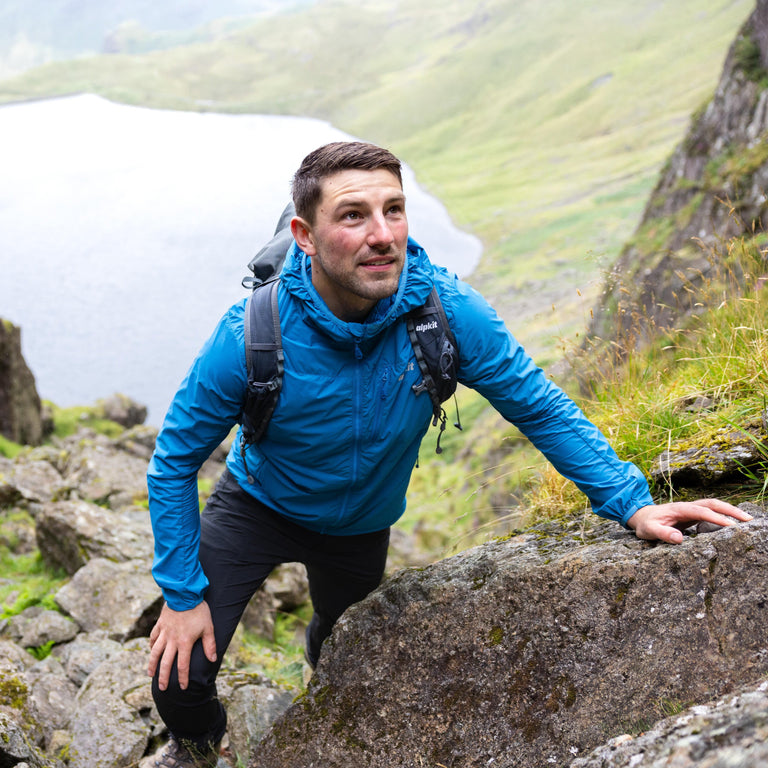
![Morphosis [Mens]](http://alpkit.com/cdn/shop/files/mens-morphosis-2024-reef.jpg?v=1724361298&width=768)
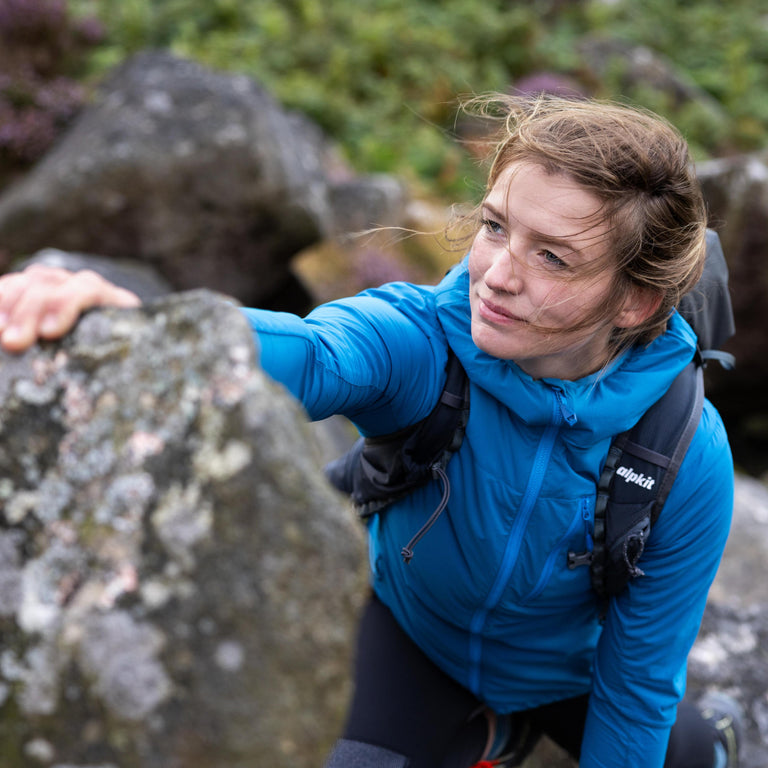
![Morphosis [Womens]](http://alpkit.com/cdn/shop/files/womens-morphosis-2024-reef.jpg?v=1724361296&width=768)
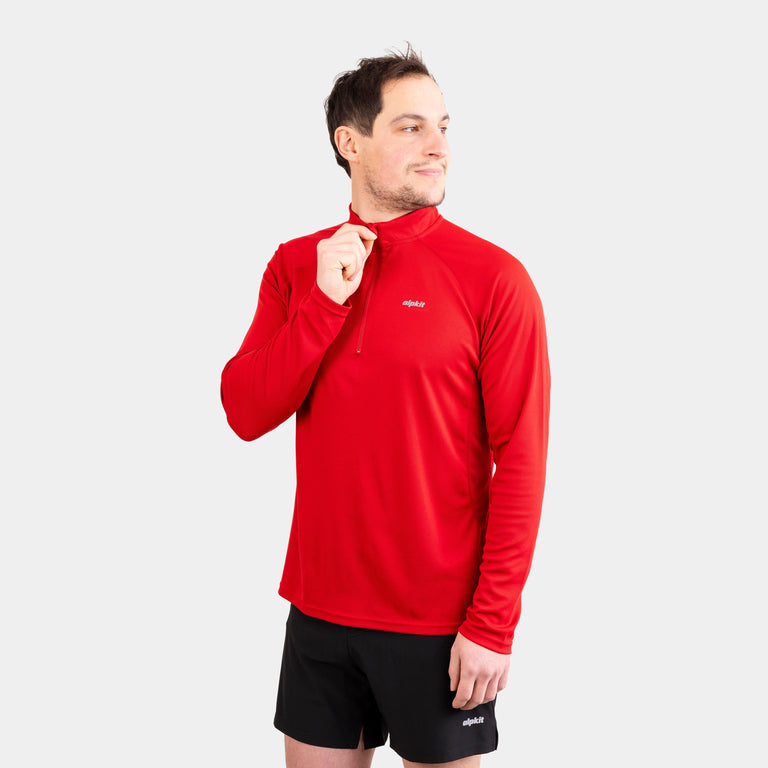

Koulin Trail Long Sleeve Zip [Mens]
Wicking and fast-drying long-sleeved zip neck base layer with Polygiene®
£34.99
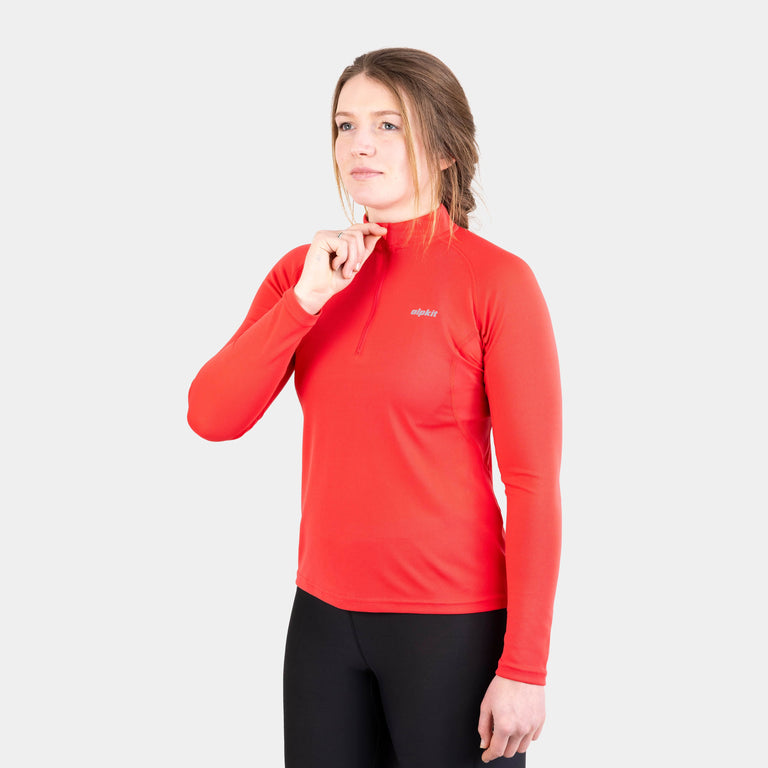
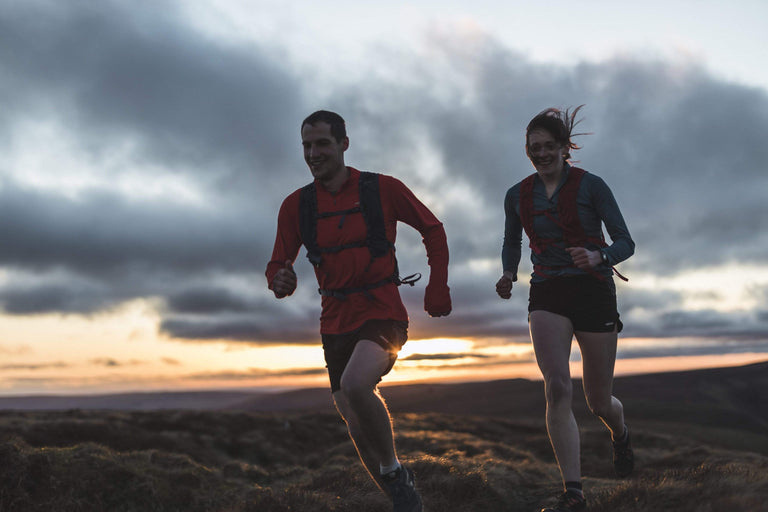

Koulin Trail Long Sleeve Zip [Womens]
Wicking and fast-drying long-sleeved zip neck base layer with Polygiene®
£34.99
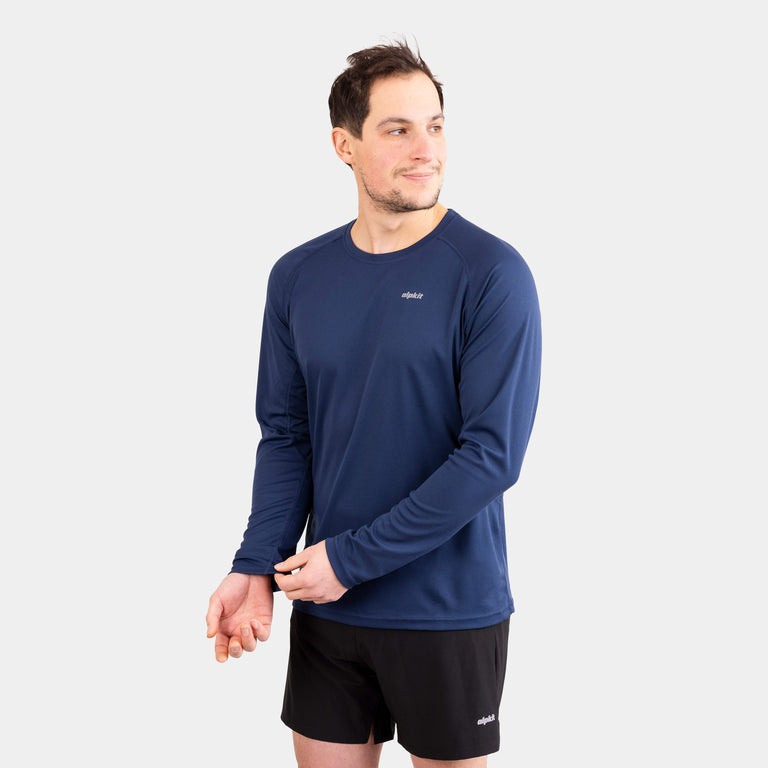
![Koulin Trail Long Sleeve [Mens]](http://alpkit.com/cdn/shop/files/KOULIN_LS_MENS_REEF_TENERIFE_005256__4000px.jpg?v=1708078133&width=768)
Koulin Trail Long Sleeve [Mens]
Wicking and fast-drying 100% recycled technical tee with Polygiene®
£29.99
Your next reads