

 Sonder Bikes


PFAS are the "forever chemicals" found in many waterproof treatments. Here's what they are, why they matter, and how Alpkit became fully PFAS-free.
If you’ve ever worn a waterproof jacket or a pair of softshell trousers, you’ve probably come into contact with PFAS — perhaps without knowing it.
PFAS (per- and polyfluoroalkyl substances) are a large family of man-made chemicals. You may also have heard them called "forever chemicals", or seen the older outdoor industry term "PFC-free". PFCs (perfluorinated compounds) are a type of PFAS, so the terms refer to the same family. PFAS is now the standard scientific and regulatory term; PFC-free is what the outdoor industry called the same thing a few years ago.
So: what are PFAS, why were they used in outdoor kit, and where does Alpkit stand?
- What are PFAS (and PFCs)?
- Why are PFAS used in outdoor gear?
- Are PFAS harmful to the environment?
- What does PFAS-free mean?
- How Alpkit became fully PFAS-free
- Is PFAS-free outdoor gear harder to look after?

What are PFAS (and PFCs)?
PFAS stands for per- and polyfluoroalkyl substances. It’s an umbrella term covering thousands of man-made chemicals built around a carbon-fluorine bond — one of the strongest bonds in chemistry, which is why these substances persist in the environment rather than breaking down. You’ll find them in non-stick cookware, food packaging, firefighting foam, and, until recently, in the DWR treatments on most outdoor kit.
PFCs (perfluorinated compounds) are a specific type of PFAS. The outdoor industry adopted "PFC-free" as a shorthand around 2015–2020; since then, scientists, regulators, and journalists have shifted to the broader term PFAS. Both labels point to the same family of chemicals.
Why are PFAS used in outdoor gear?
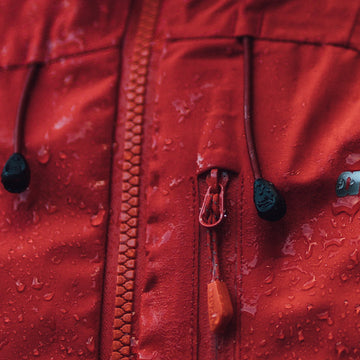
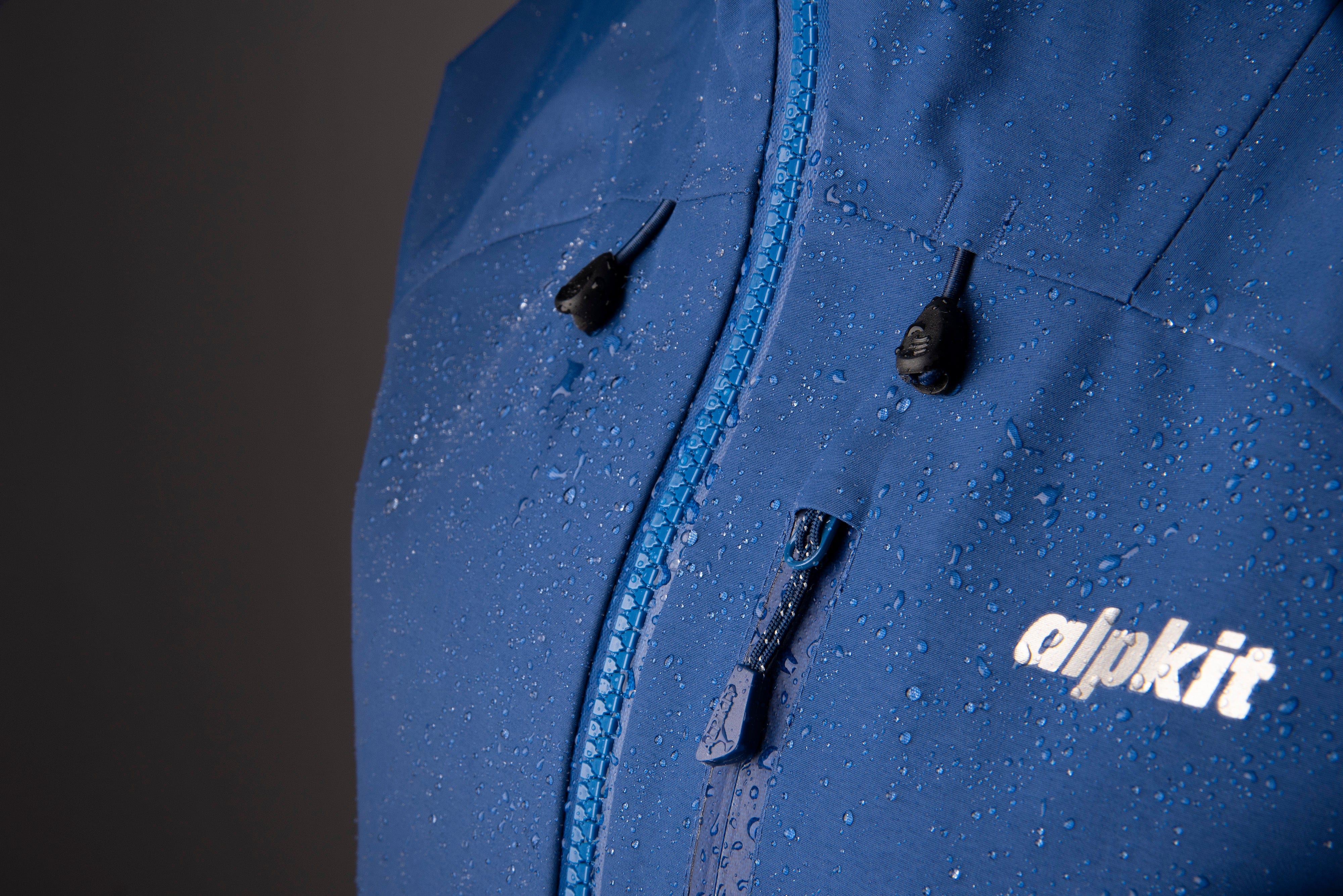
Some PFAS are exceptionally good at repelling water, dirt and oil. As a result, they became widely used in durable water repellent (DWR) treatments for outdoor clothing and equipment. PFAS-based DWRs raise the surface tension of a fabric enough for water to form in droplets (bead) on top rather than soaking in. DWR treatments are mostly used on waterproof fabrics to keep them breathable and stop them becoming saturated. They are also used to treat gloves, rucksacks, and tents.
Are PFAS harmful to the environment?
The "forever chemicals" nickname comes from this: PFAS don’t break down in the environment. They leach into water systems during manufacturing and washing, accumulate through the food chain, and stay there. PFAS have been found in glaciers, on the icecaps, and in the tissue of polar bears and other wildlife far removed from any industrial source. Research also links PFAS exposure in humans to a range of health concerns, including effects on the immune system and hormone function.
Long-chain PFAS (C8)
Historically, the most commonly used PFAS in outdoor gear manufacture were ‘C8’ fluorocarbons — chemicals with 8 carbon atoms, including PFOA and PFOS. These were found to be highly persistent, building up in the environment and in the body without breaking down. They were linked to health problems and are now banned in Europe and most of the world.
Short-chain PFAS (C6)
The outdoor industry shifted to ‘C6’ PFAS for DWR treatments — still water and oil repellent, and thought to be less harmful. Evidence now suggests that C6 PFAS also accumulate in the environment, just more slowly. Regulators across the EU and US are moving to restrict them too, which is why eliminating PFAS entirely — not just swapping one chain length for another — is the direction the industry needs to go.
What does PFAS-free mean?
PFAS-free (or PFC-free) outdoor clothing has been treated with a DWR that repels water without using any fluorinated chemistry. These alternative DWRs can be silicone-based, wax-based, or plant-based. "PFAS-free" and "PFC-free" are both catch-all terms for any of these non-fluorinated treatments, used interchangeably across the industry.
Performance has improved significantly. Early PFAS-free DWRs didn’t match the dirt and oil repellency of their fluorinated predecessors. The gap has narrowed to the point where, for most outdoor use, a well-maintained PFAS-free DWR performs just as well on the hill.
How Alpkit became fully PFAS-free
PFAS played an important role in the development of modern outdoor clothing — breathable waterproof jackets as we know them wouldn’t exist without them. But once the evidence about their persistence in the environment was clear, continuing to use them stopped making sense. Eliminating PFAS wasn’t straightforward: the effectiveness of a DWR treatment depends on the composition, structure, and purpose of each individual fabric. Pairing the right fabric with the right treatment takes testing, time, and often new manufacturing partnerships.
The obstacles
Moving away from PFAS has been a long-term goal for Alpkit. It wasn’t as simple as switching one DWR for another. The effectiveness of a treatment depends on the composition, structure, and purpose of each individual fabric. Some fabrics are hard to finish without causing negative side effects. Pairing the right fabric with the right treatment, and doing the testing and manufacturing to confirm it, takes a lot of time.
First steps
We started working towards PFAS-free clothing in Spring 2018. The first step was removing DWR treatments altogether from products where they weren’t critical to performance. In 2020, we switched to PFAS-free DWRs across all of our insulated jackets and sleeping bags, and moved to DownTek® PFAS-free water repellent down.
The hardest part
Waterproofs were the final challenge. The outer fabric has to maintain performance in sustained rain, and early PFAS-free treatments didn’t always match the oil and dirt repellency of fluorinated ones. We tested garments with one half PFAS-free and the other C8 to compare real-world performance directly. After extensive development, all of our waterproof jackets are now fully PFAS-free — no fluorinated chemistry anywhere in the DWR treatment. That applies across the entire clothing range.
Redefining Innovation
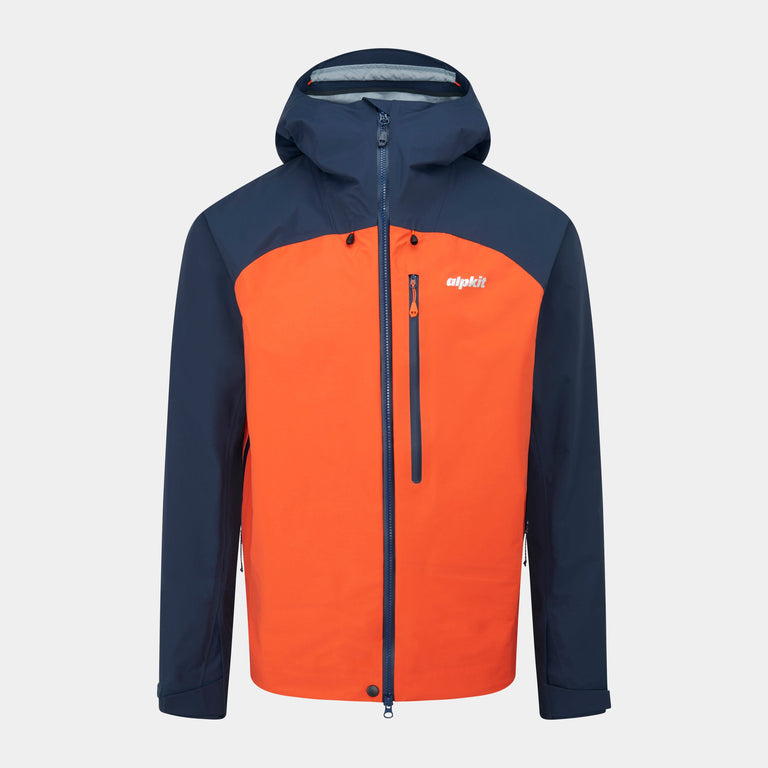
The Definition was one of the first mountaineering shells in the world to use a fully PFAS-free 3-layer waterproof fabric. Developed in collaboration with specialist fabric mills, it uses the highest performing non-fluorinated DWR available. For us, that project set a template: performance and environmental responsibility aren’t a trade-off. You can have both.

Who your purchase supports
"Local volunteers, Friends of Burgess Playing Fields, and the Forest of Bradford community group were all engaged in the tree planting. Each volunteer was shown how to carefully plant a tree to give it the best start in life."Catching up with Trees for Cities →
Is PFAS-free outdoor gear harder to look after?
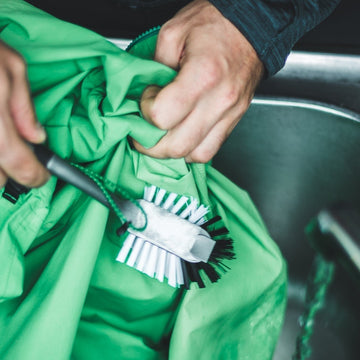
All DWR-treated outdoor gear needs regular washing and reproofing to stay effective. When dirt and oil build up in the fabric, they stop water beading on the outer surface. Because PFAS-free DWRs don’t repel oil and dirt as strongly as the old fluorinated treatments, you may need to wash and reproof a little more often. The good news: it’s easy to do and it makes a real difference. Look after your gear and it’ll look after you.
More to read: Run | Hike | Climb | Camp | Swim | Bike | Paddle
Hill Walking Waterproof Essentials
![Definition [Mens]](http://alpkit.com/cdn/shop/files/Definition-men-2.jpg?v=1760030579&width=768)

![Definition [Womens]](http://alpkit.com/cdn/shop/files/Definition-women-3.jpg?v=1764162500&width=768)
Definition [Womens]
Waterproof mountaineering jacket for high altitudes and Scottish winters
£299.99
![Balance [Mens]](http://alpkit.com/cdn/shop/files/balance-mens-2025-reef.jpg?v=1764160608&width=768)
![Balance [Mens]](http://alpkit.com/cdn/shop/files/Balance-mens-1.jpg?v=1767019620&width=768)
-
New
![Balance [Womens]](http://alpkit.com/cdn/shop/files/balance-womens-2025-black.jpg?v=1764160433&width=768)
![Balance [Womens]](http://alpkit.com/cdn/shop/files/Balance-womens-3.jpg?v=1765272052&width=768)
![Fortitude [Mens]](http://alpkit.com/cdn/shop/files/fortitude-mens-2025-alder.jpg?v=1763659494&width=768)

![Fortitude [Womens]](http://alpkit.com/cdn/shop/files/fortitude-womens-2025-alder.jpg?v=1763659499&width=768)

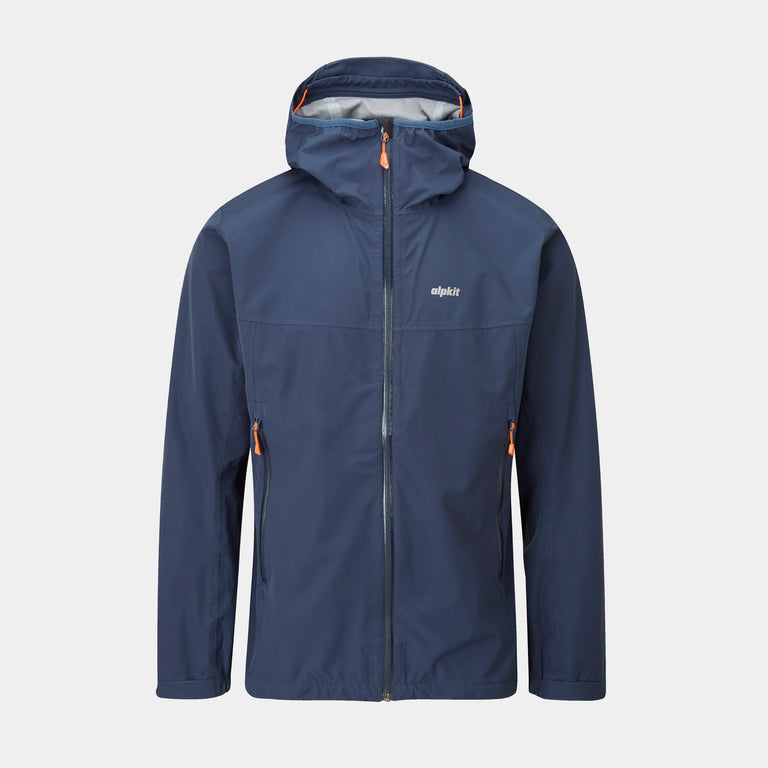
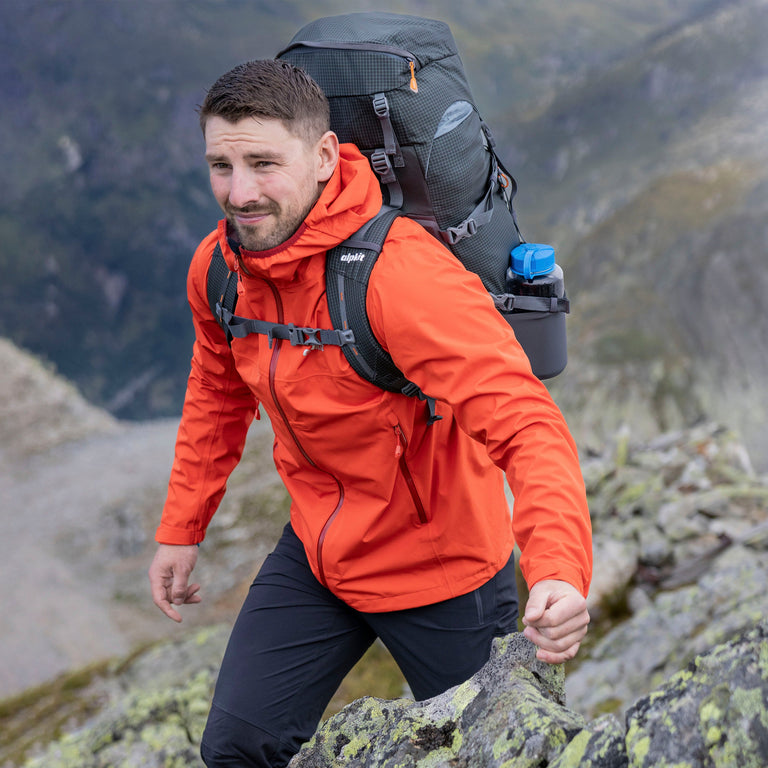
Sigma [Mens]
All-day comfort and wet weather protection from a 100% recycled 3-layer membrane
£179.99
-
Last chance to buy
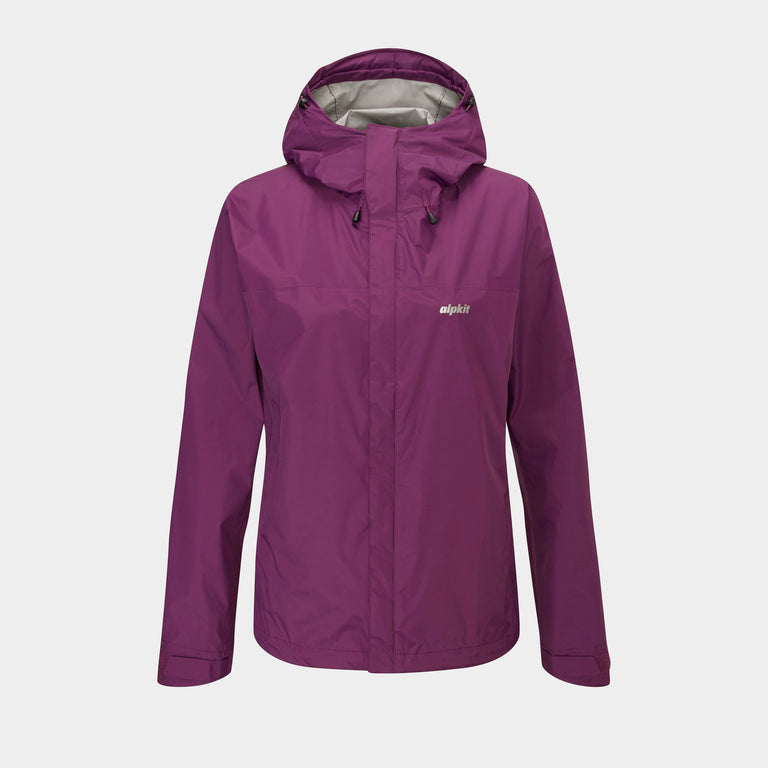
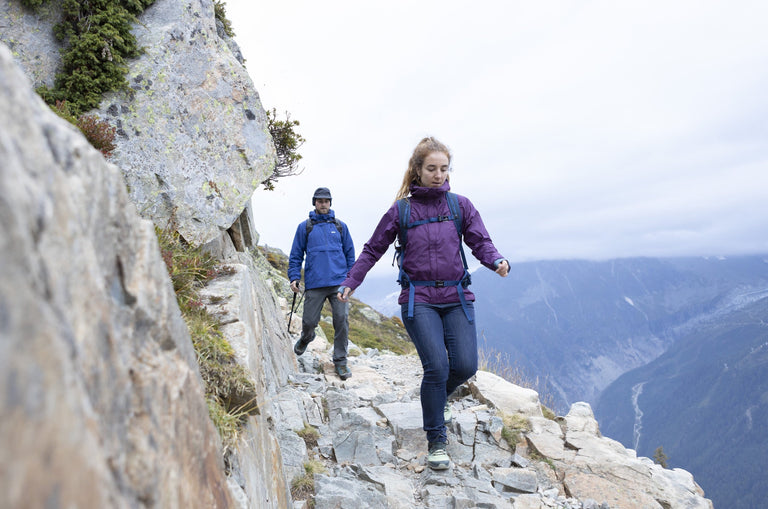
Atalanta [Womens]
Durable, lightweight and packable performance shell for all activities
£74.97
£129.99
![Gravitas [Mens]](http://alpkit.com/cdn/shop/files/mens-gravitas-2025-chilli.jpg?v=1764948171&width=768)
![Gravitas [Mens]](http://alpkit.com/cdn/shop/files/gravitas-location-1-RETOUCH.jpg?v=1765452161&width=768)
Gravitas [Mens]
Ultralight and breathable waterproof 3-layer protection when moving fast and light
£199.99
![Gravitas [Womens]](http://alpkit.com/cdn/shop/files/womens-gravitas-mercury.jpg?v=1776672640&width=768)

Gravitas [Womens]
Ultralight and breathable waterproof 3-layer protection when moving fast and light
£199.99
-
Last chance to buy
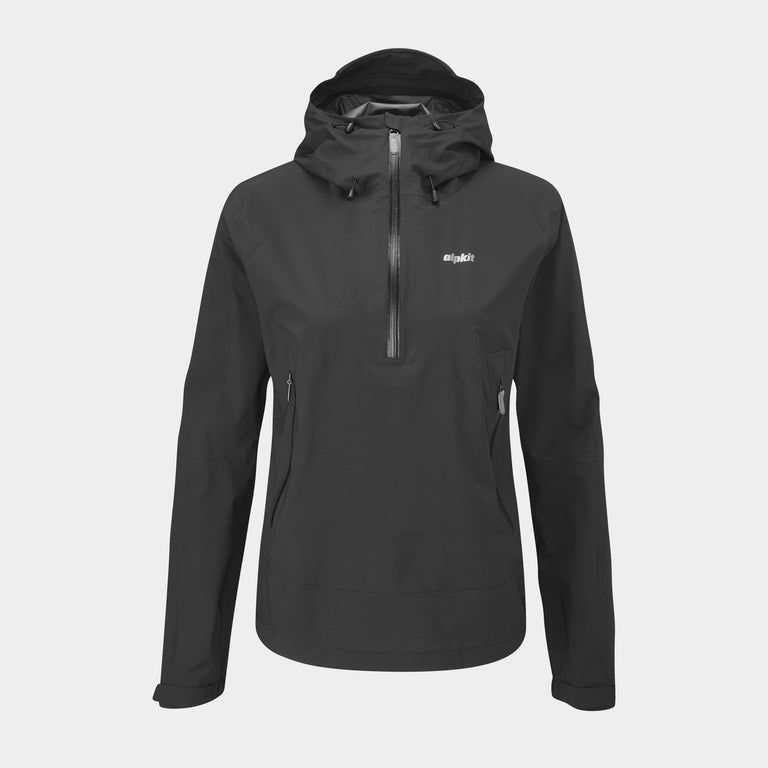
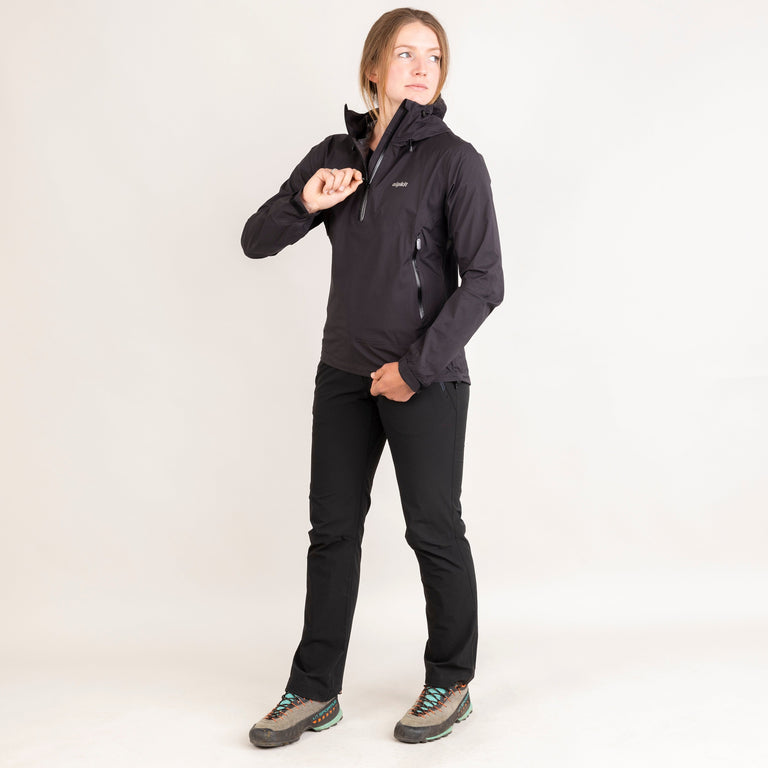
Pulsar [Womens]
Lightweight waterproof half-zip jacket with a slim cut designed for fast and light movement
£74.97
£159.99
Your next reads