


 Sonder Bikes

How to wash and care for Merino and lambswool wool clothing
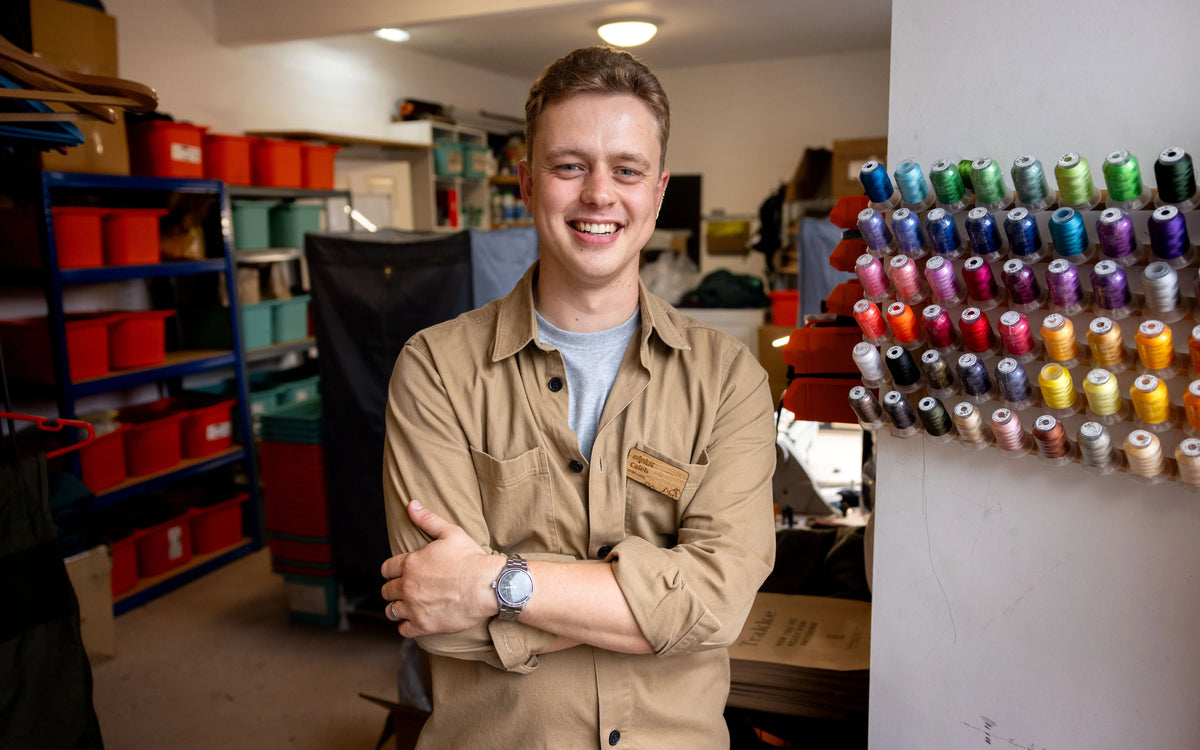



Merino wool can go in the machine, just not on a hot cycle. Our step-by-step guide covers washing, drying and storing merino wool the right way.
Merino wool is known for its softness, warmth, and moisture-wicking properties, making it a favourite among outdoor enthusiasts. However, to maintain its unique qualities and ensure longevity, merino wool requires special care. In this guide, we'll explore the best practices for looking after your merino wool clothing, ensuring it stays in pristine condition for years to come.
For the rest of your kit, from waterproofs to down, see our guide to cleaning and caring for outdoor clothing.
Merino wool is derived from Merino sheep and is celebrated for its ultrafine fibres, which are significantly softer than traditional wool. This natural material is biodegradable, naturally odour-resistant, and offers excellent temperature regulation. However, its fine fibres also mean it's more delicate than synthetic fabrics and other types of wool, necessitating gentle care.

Yes, and you should! The reason some people are cautious about washing is their fear of shrinking their garment. Water by itself does not shrink wool, the culprit tends to be excessive heat and friction in the washing process. We are going to tell you how to avoid this.
Thanks to wool's natural properties you will not need to wash it as often as synthetic fibres. This is great when you are on a big adventure, it saves water and is good for the environment! Out on the trail you should easily get 3-4 days of use out of a baselayer before needing a wash. You may feel more comfortable washing socks and underwear more regularly - you may be surprised how far you can push it!
Before you start: Wool garments can shrink when exposed to the high heat and friction generated by washing machines and dryers. Never wash above 30˚C and do not tumble dry.

Properly washing and caring for your merino wool clothing is essential to ensure it performs at its best for many years.
Here is a summary of some things you should do, and not do, to keep your wool wearable for as long as possible.
Never tumble-dry your merino wool clothing. The high heat can shrink or misshape your garment.
Never wash your merino in water hotter than 30˚C. It can cause shrinkage and pilling.
Merino wool / synthetic blends, such as those found in our Merino boxers and Long Johns have increased durability and are less susceptible to shrinkage, however, we still recommend treating them with the same loving care you would give to your 100% pure wool garments.
Always use a gentle liquid detergent or liquid soap flakes. Do not use powder-based detergents because particles can cause wear to your clothes inside the washing machine and leave a residue that will cling to the fibres and inhibit their ability to wick moisture away from your body.
No! Fabric softeners interfere with your clothes' natural moisture-wicking and odour-resistant properties. merino wool fibres are also much finer than standard wool and naturally soft.
Yes! All our wool products - from fine merino base layers to chunky lambswool jumpers - follow the same care principles. Always wash at 30°C or below, use gentle liquid detergent, and air dry away from direct heat.
Water alone doesn’t shrink wool - the culprits are excessive heat and friction. Follow these rules to prevent shrinkage:
Thanks to wool’s natural odour resistance, you can wear it for multiple days before washing. For jumpers worn as midlayers:
This is especially true for outdoor use where your jumper isn’t in direct contact with skin.
Our undyed Pennine and Iona jumpers won’t bleed colour, but we recommend washing them separately from brightly coloured items that might transfer dye onto the natural wool.
Our Norge, Stora, and Rago jumpers follow exactly the same care instructions. RWS certification relates to animal welfare and land management, not the physical properties of the wool, so washing requirements are identical.
Merino wool is a natural product and can be repaired when it shows signs of wear and tear. Here are some pointers:
Snags, tears and troublesome holes are easily mended by darning with a silk sewing thread. Patch up any holes as soon as possible to prevent tiny pinpricks from growing.
Pilling is a natural process and happens when the shorter Merino fibres find their way to the surface of the fabric. To prevent pilling, we recommend washing your merino clothing before you wear it.
The same care principles that apply to merino wool work equally well for our pure lambswool jumpers including Pennine, Iona, Norge, Stora, Rago, Brenin, and Tryfan.
While lambswool fibres are slightly coarser than merino (typically 25-30 microns compared to merino’s sub-20 microns), they share the same natural properties:
Key washing principles for lambswool:
The slightly coarser structure of lambswool makes these jumpers particularly durable and long-lasting. With proper care, your wool jumper can provide decades of warmth and comfort.
Our Pennine and Iona jumpers are made from undyed British wool. Because they’re undyed, they may show natural colour variations between batches - this is a feature of authentic, minimally processed wool, not a defect.
Benefits of undyed wool:
The natural lanolin in less-processed wool can give the jumper a slightly waxy feel when new. This is normal and will soften with wear and washing while providing natural water resistance.
Each of our stores has a Repair station where our gear technicians can look after your kit for you. We repair gear from any brand ande believe mending is better than ending.
In 2022 we made over 7100 repairs.
We've now made it even easier to keep your kit going by launching our online wash and repair service. If you're not near any of our stores, send us your tired gear and our repair heroes will give it some TLC.
Looked after properly, a merino base layer should last years of hard use. Browse our merino collection to find the right weight for your activity.
Black Friday


Black Friday


Black Friday


Black Friday


Black Friday


Black Friday


Black Friday

Black Friday


Black Friday


Clearance
Black Friday


Black Friday


