


 Sonder Bikes

Staying Warm Out Here
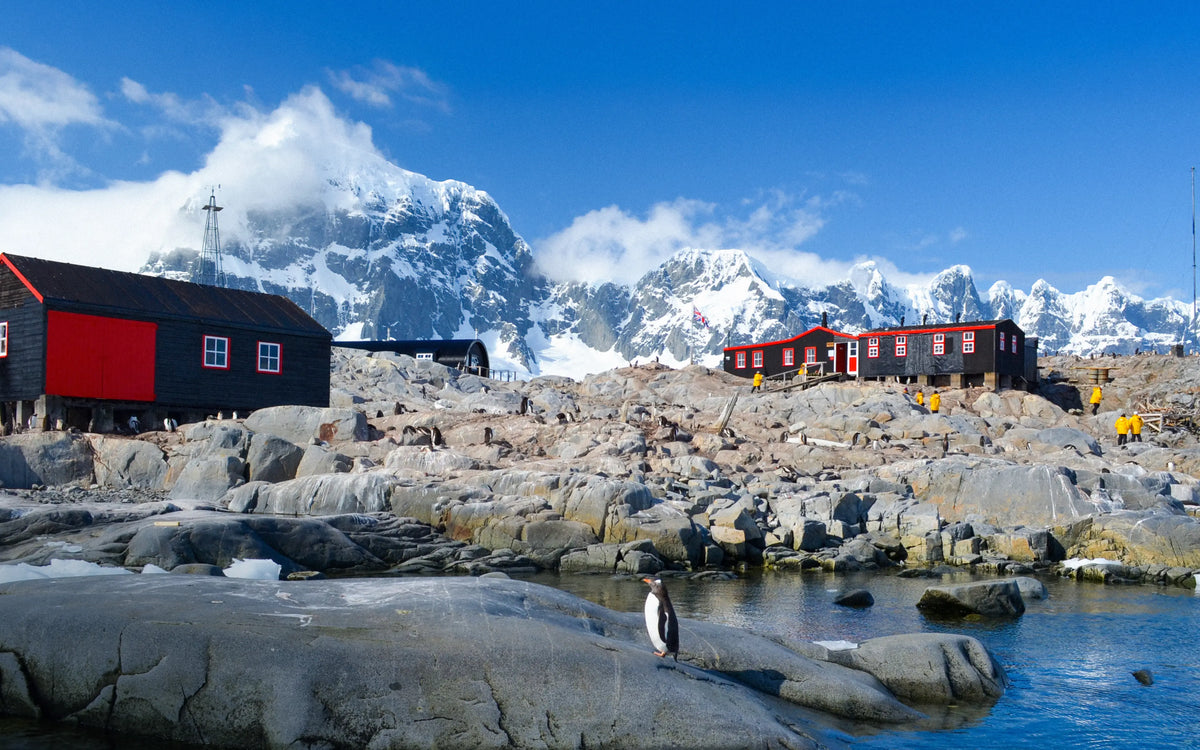



Peter Watson spent three months monitoring gentoo penguins at Port Lockroy with UKAHT. He shares what it takes to live, work and stay warm in Antarctica.
The sleet had been falling sideways for most of the morning, driven across Goudier Island by a wind that found every gap. Beneath my boots, snow had turned into a slick mixture of mud and penguin guano. Around me, hundreds of gentoo penguin chicks called for food while I worked through the colony, counting nests and checking their progress.
I spent three months of the 2025-26 Antarctic season living and working at this former British research base, now cared for by the UK Antarctic Heritage Trust. My role was to monitor the island's gentoo penguin colony, collecting data that contributes to a long-running study of how the birds are faring alongside visitors. On other days, I helped welcome guests to the museum and the world's southernmost post office or supported the carpentry team with their vital conservation work on the historic buildings.

The temperature was rarely the whole story. Wind, wet snow and hours spent standing still could drain warmth rapidly. Staying comfortable meant managing layers carefully: a breathable base layer, insulating midlayers and a reliable outer shell. You needed enough protection for a sudden squall, but also the freedom to move across steep, slippery ground without overheating.
"Before approaching Alpkit, the charity had tested outerwear from two other brands. However, it was the Definition jacket that quickly stood out for how unobtrusively it performed."
Before approaching Alpkit, the charity had tested outerwear from two other brands. However, it was the Definition jacket that quickly stood out for how unobtrusively it performed, offering dependable protection without restricting movement or adding unnecessary bulk.
Paired with the Katabatic insulated layer, it kept out driving sleet and biting wind without feeling cumbersome, allowed easy movement over several layers and proved tough enough for daily encounters with rock, ice, equipment and, inevitably, guano. The hoods stayed firmly in place when the weather turned, while the glove-friendly adjustments were invaluable when exposing bare fingers was best avoided.
Dependable kit matters in Antarctica because the conditions can shift in minutes and help is rarely close at hand. But living at Port Lockroy also taught me that resilience is not about battling the environment. It is about paying attention, adapting and working with care.

The historic buildings here have endured more than 80 Antarctic winters. Today, the UK Antarctic Heritage Trust conserves them, shares the stories of the people who lived and worked within them, and records the effects of a changing climate on the sites in its care. By protecting this heritage, we connect Antarctica's past with its future and help more people understand why this extraordinary continent matters.
Out here, good kit protects you from the weather. Good conservation protects something for generations.
Discover more about UKAHT at ukaht.org.
